Savonia Article: International Collaboration in Practice: The EU4Dual Joint Master’s Degree in Green Economy and Sustainable Future
This work is licensed under CC BY-SA 4.0


International collaboration often focuses on building connections, exchanging ideas, and developing new initiatives. Within the EU4Dual alliance, those efforts have been ongoing for several years. One of our most tangible outcomes is the Joint Master’s Degree in Green Economy and Sustainable Future, developed together by our experts and experts from our alliance partners across Europe.
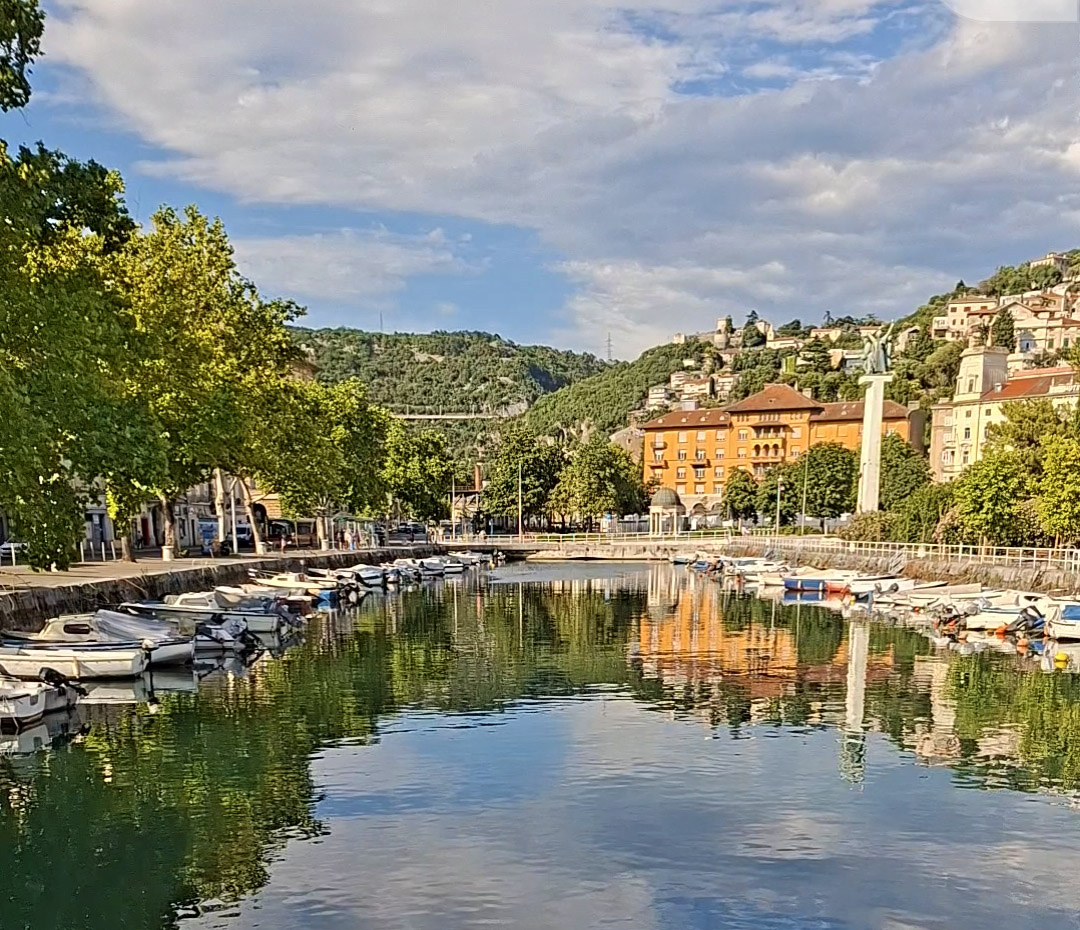
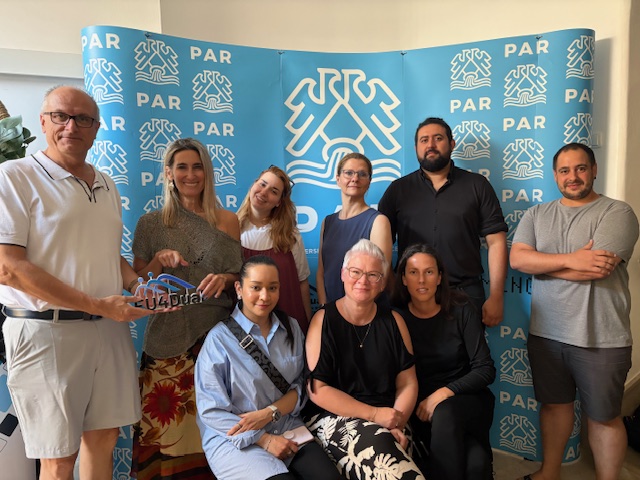
Representatives from Savonia recently joined colleagues from PAR, FH JOANNEUM, and Mondragon University in Rijeka, Croatia, to continue work on the programme’s development, promotion, and future recruitment activities.
While collaborating on a joint degree programme offers significant opportunities, it also highlights the realities of international cooperation. Bringing together institutions from different countries means balancing diverse experiences, perspectives, priorities, and local contexts. Finding common approaches does not happen automatically; it requires ongoing discussion, compromise, and a shared commitment to the programme’s long-term success.
The meeting provided an opportunity to continue these conversations in person. Although much of our work takes place online, face-to-face discussions can help bridge some of the distance that naturally develops when colleagues collaborate primarily through virtual meetings. Sharing the same space creates more opportunities for authentic exchanges and a better understanding of the different perspectives and contexts that shape each partner institution’s work. Differences in priorities and approaches do not disappear, but personal interaction can make it easier to navigate them constructively. The value of international collaboration is often found not only in formal decisions but also in the human connections that develop through working together and learning from colleagues with different experiences and viewpoints.
For those working on the Joint Master’s Degree, a recurring theme was how to ensure that the programme is presented clearly and consistently to prospective students. As one of the alliance’s most significant educational achievements so far, the programme represents years of development work across multiple institutions. The next challenge is not only reaching the right audiences, but also helping the right candidates recognise themselves in the programme and understand the unique value it can bring to their professional and personal development.
The discussions also reinforced the importance of maintaining a genuinely international perspective. While each partner institution naturally has its own priorities and target groups, attracting students to a European joint degree requires working towards a shared vision and a common understanding of the programme’s audience.
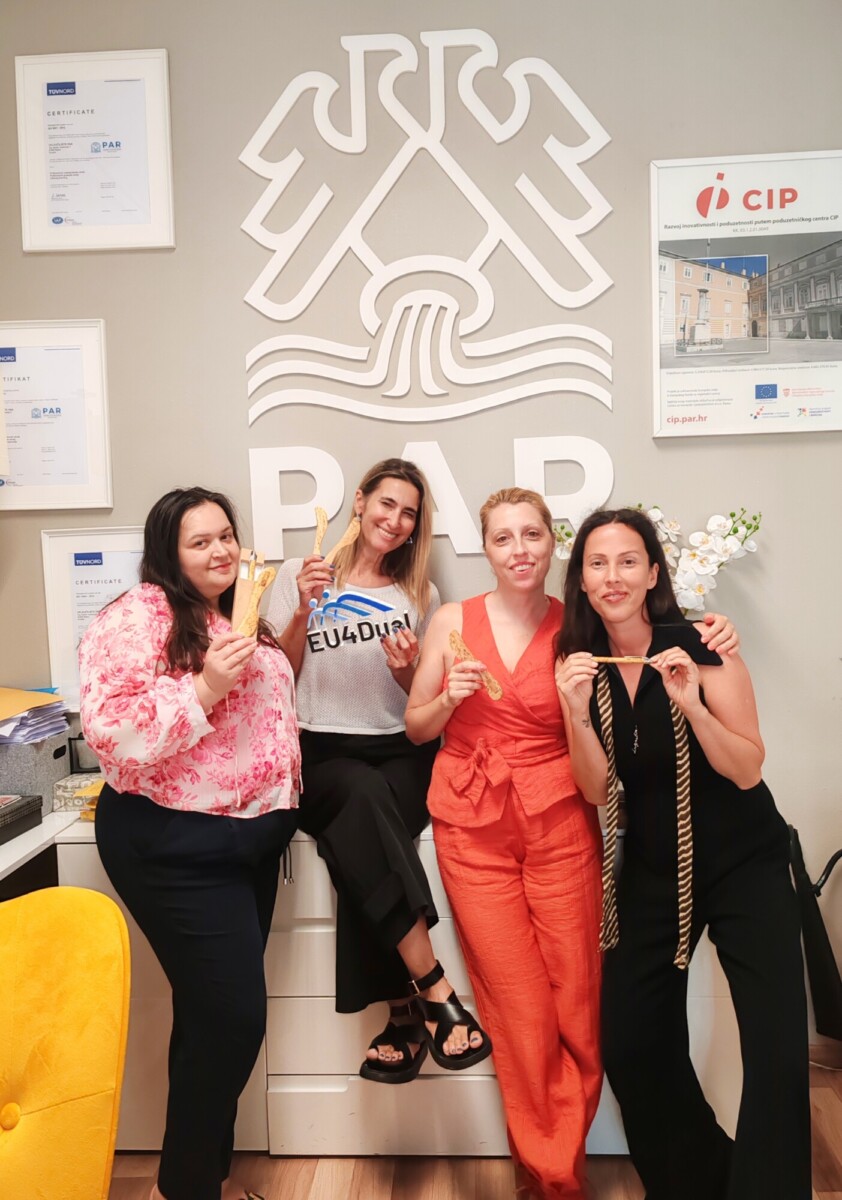
Beyond the programme itself, the visit offered an opportunity to observe how another partner institution integrates EU4Dual into campus life and everyday activities. Such experiences provide inspiration and practical ideas that can be adapted and further developed at Savonia.
Perhaps the most valuable takeaway from the meeting was a reminder that successful international cooperation is an ongoing process rather than a finished outcome. Strong partnerships are built over time through dialogue, mutual learning, and a willingness to work through challenges together. While questions remain and the development work continues, the shared goal remains clear: to build a high-quality international learning experience that brings together students from across Europe and around the world, supported by the strong collaboration that makes such opportunities possible.
Authors
Zainab Elgundi, International Relations, Savonia University of Applied Sciences.
This article was prepared with the help of AI.