Savonia Article: Learning from Kosovo: Perspectives on Collaboration, Inclusion and Human Rights
This work is licensed under CC BY-SA 4.0


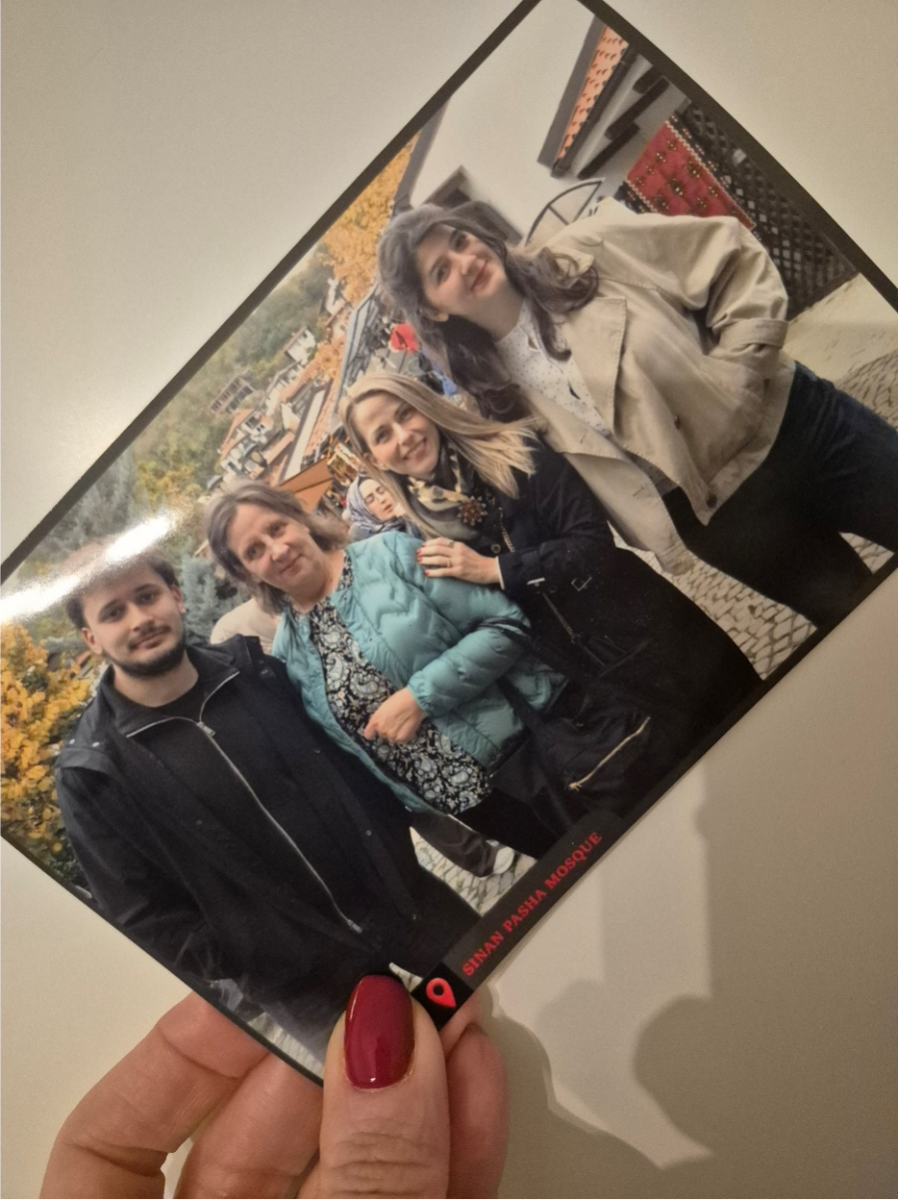
Our Erasmus+ academic staff exchange visit to the University of Prishtina provided a valuable opportunity to deepen our understanding of Kosovo’s social service system and the wider social context in which it operates. The visit also offered valuable insights into how collaboration, inclusion and human rights are promoted across different levels of society.
During our visit from 26 to 30 October 2026, we met representatives from ministries, municipalities, non-governmental organizations, advocacy networks, rehabilitation centres, and community-based service providers working to improve the well-being of people in vulnerable situations.
A key focus throughout the visit was to explore how social services are organized and delivered in practice. At the same time, we had the opportunity to learn about different organizations and workplaces and to consider their potential as professional placement opportunities for our social services students.
Building Social Protection Through Multi-Level Cooperation
Our discussions with the Ministry of Labour, Family and the Values of the Liberation War highlighted the importance of social policies, legislation, and strategic leadership in safeguarding the rights of vulnerable citizens.
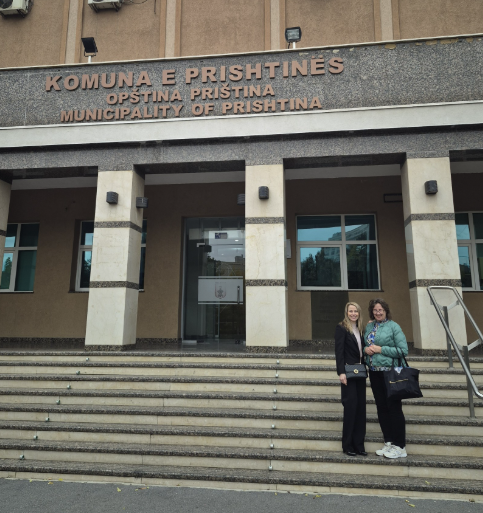
This perspective was complemented by our visit to the Municipality of Prishtina, where we explored how social services are organized at the local level. Cooperation between municipalities, Centres for Social Work, and civil society organizations illustrated the importance of integrated service systems and shared responsibility in responding to complex social challenges.
Protecting Children and Strengthening Families
During our visit, we learned how attention is being given to children’s rights and the wellbeing of children and families in Kosovo. At Save the Children Kosova, discussions centred on children’s rights, violence prevention, early support, and family-centred interventions. The organization’s work highlighted the value of preventive approaches that strengthen children and families before problems escalate.
Advancing Gender Equality and Preventing Violence
We met professionals and advocates working to advance women’s rights and discussed the significance of addressing violence in post-war Kosovo. Their commitment to developing services was strongly connected to experiences of gaps in publicly available support and services.
The work of the Kosovo Women’s Network demonstrated the importance of advocacy, public dialogue, and evidence-based influencing in advancing women’s rights and preventing gender-based violence. In addition, our discussions with professionals working with women and children who have experienced violence reinforced the crucial role of safe environments, trauma-informed practices, and multi-professional cooperation.
One particularly inspiring example came from Art-Polis – Center for Art and Community, where art and theatre are used as tools for promoting human rights, social inclusion, and gender equality. Their work demonstrated how creative approaches can support social change, challenge discrimination, and amplify marginalized voices.
These examples remind us that social development is not only about providing services. It is also about creating cultural and societal conditions that strengthen equality, participation, and human rights.
Inclusion of People with Disabilities and Minority Communities
Several visits focused on strengthening the participation and inclusion of groups that often face barriers in society. At Down Syndrome Kosova, we explored how support services, family guidance, and advocacy can enhance the quality of life and social participation of people with Down syndrome. The emphasis on capabilities, inclusion, and equal opportunities resonates strongly with contemporary approaches to disability policy and social work.
Our visit to Autizmi Flet further highlighted the importance of family support, accessible services, and community awareness in enabling autistic people to participate fully in society.
Another powerful example came from NEVO Koncepti, which works with Roma, Ashkali, and Egyptian communities to promote social inclusion, education, and family support. Their work illustrates how community-based approaches can help address structural inequalities while respecting cultural identity and supporting empowerment.
These discussions emphasized that inclusive societies are built through participation, accessibility, equal opportunities, and the recognition of diversity as a strength.
Trauma-Informed and Person-Centred Practice
Kosovo’s recent history has left lasting effects on individuals, families, and communities. During our visit to the Kosovo Rehabilitation Centre for Torture Victims (KRCT), we learned about rehabilitation services and psychosocial support for survivors of torture and trauma. Our discussions highlighted the importance of person-centred approaches, professional empathy, and long-term support in recovery processes.
Looking Forward
Our visit to Kosovo demonstrated that innovative approaches to social work can emerge in very different societal contexts. Despite differences between countries, many of the challenges facing social services are remarkably similar: supporting people in vulnerable situations, addressing inequalities, preventing exclusion, and strengthening participation and inclusion.
Kosovo offers excellent learning environments and valuable opportunities for our students to develop their professional competence in an international context. Based on the experiences and connections gained during this visit, we can warmly recommend Kosovo as a destination for student exchange and professional placements. Communication is easy, as English is widely used, and the hospitality we experienced was truly exceptional.
Above all, the visit reminded us that international exchange is not simply about observing how things are done elsewhere. It is about learning from one another, challenging our own perspectives, building professional relationships, and discovering new ways to promote inclusion, participation, and human rights through social work.
Authors
Pirjo Turunen, Principal Lecturer, Savonia University of Applied Sciences
Johanna Ripatti, Senior Lecturer, Savonia University of Applied Sciences
This article was prepared with the help of AI.
Links
Ministry of Labour, Family and Values of the Liberation War: https://mpfvlc.rks-gov.net/
Save the Children Kosovo: http://saveforchildren.net/kosovo/
Kosovo Women’s Network: https://womensnetwork.org/
Artpolis – Centre for Art and Community: https://artpolis-ks.org/
Down Syntrome Kosovo: https://downsyndromekosovo.org/
Nevo Koncepti: https://nevokoncepti.org/
Kosovo Rehabilitation Centre for Torture Victims: https://krct.org/