Bachelor of Engineering, Future Energy and Hybrid Intelligence
Bachelor of Engineering
Future Energy and Hybrid Intelligence
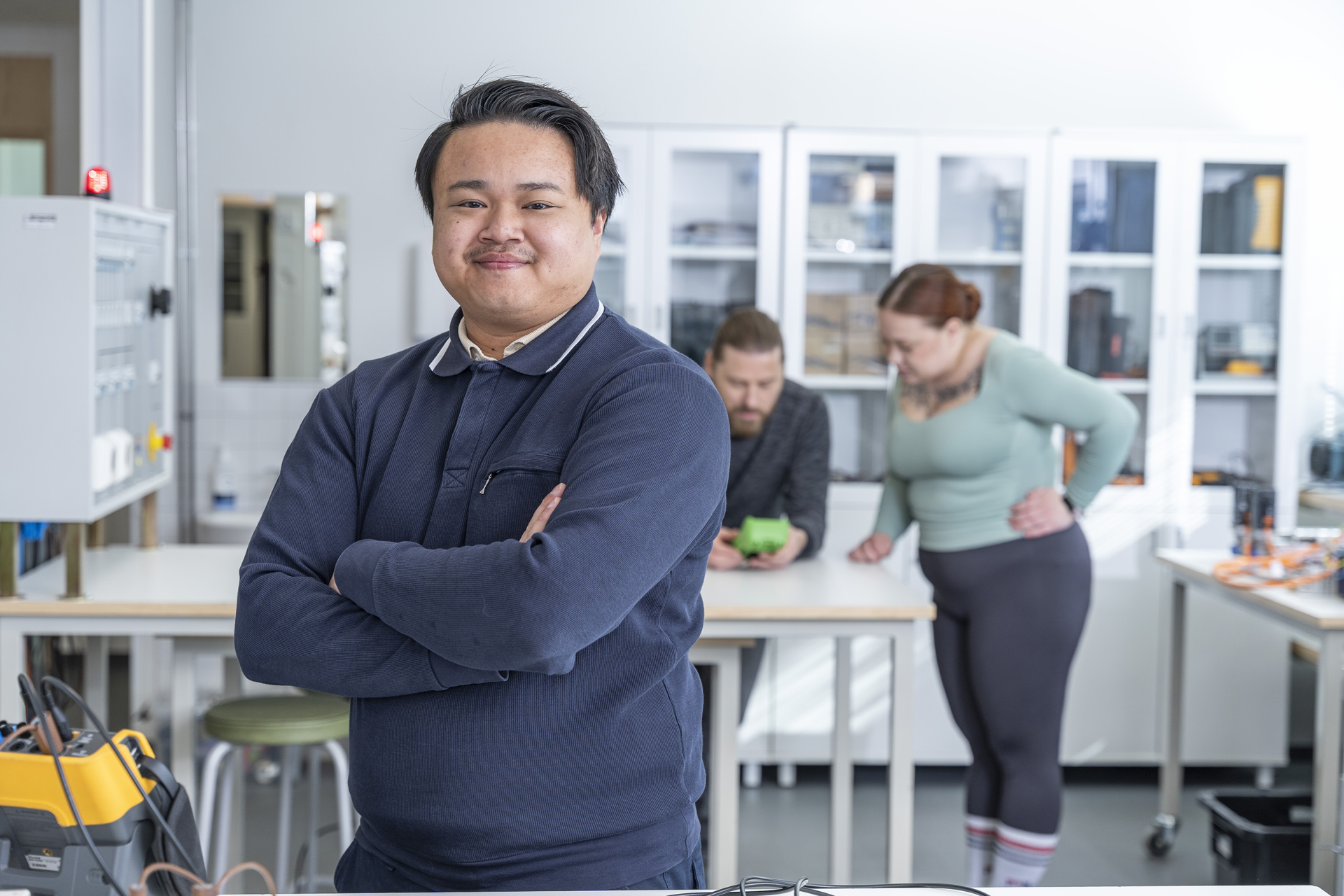
Build a future-proof engineering career in energy!
3–4 years • 240 ECTS
Varkaus campus, Varkaus, Finland
Full-time studies • On-campus • Fully Taught in English
Apply Through Direct Application
Direct application to Savonia’s English-taught Bachelor’s degree programmes opens on 1 October 2026.
1. Energy Engineering for a Global Future
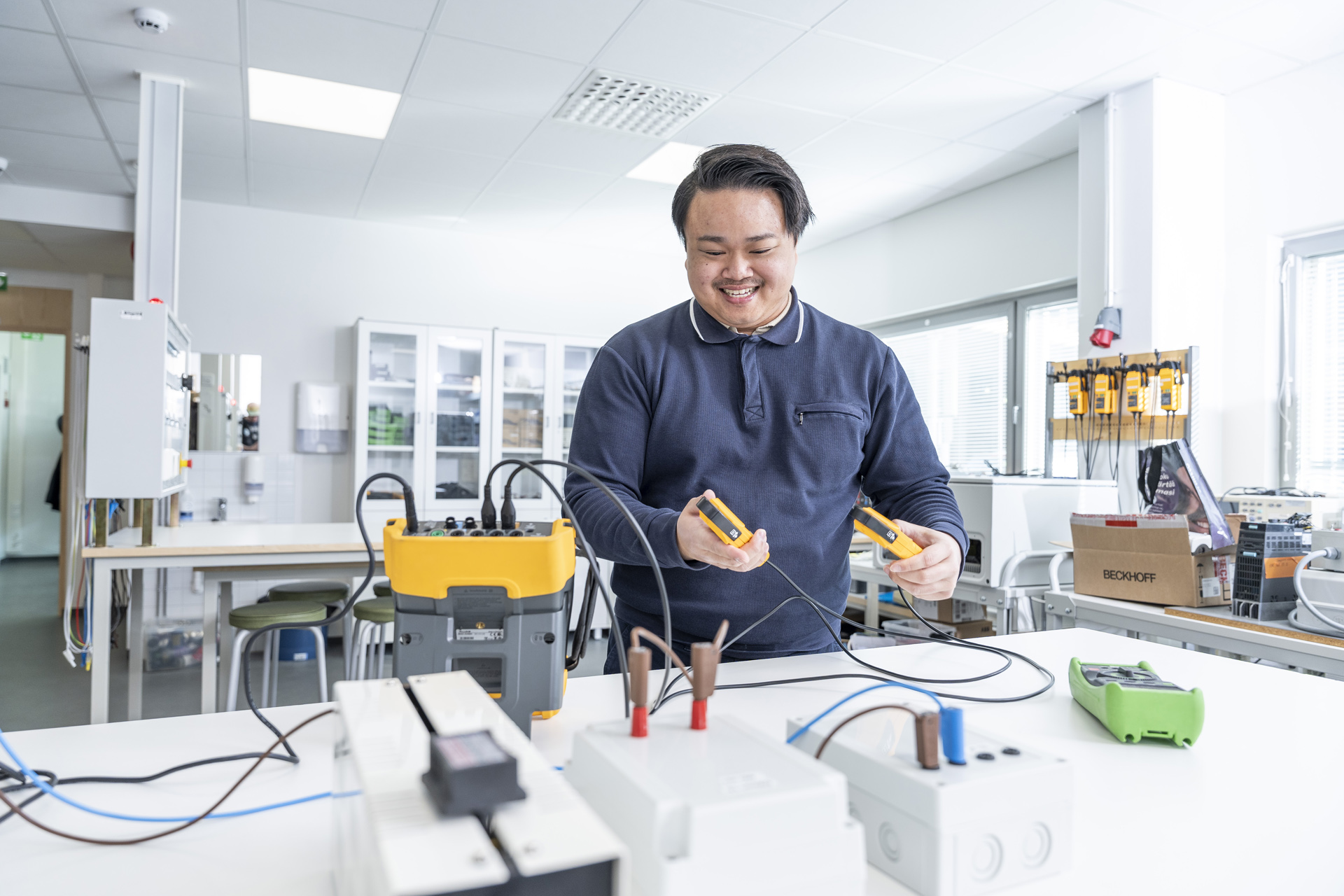
Design cleaner, smarter and more resilient energy systems: renewable and sustainable energy solutions, energy storage and electrification, and system-level energy design.
2. Intelligent Engineering with Hybrid Intelligence
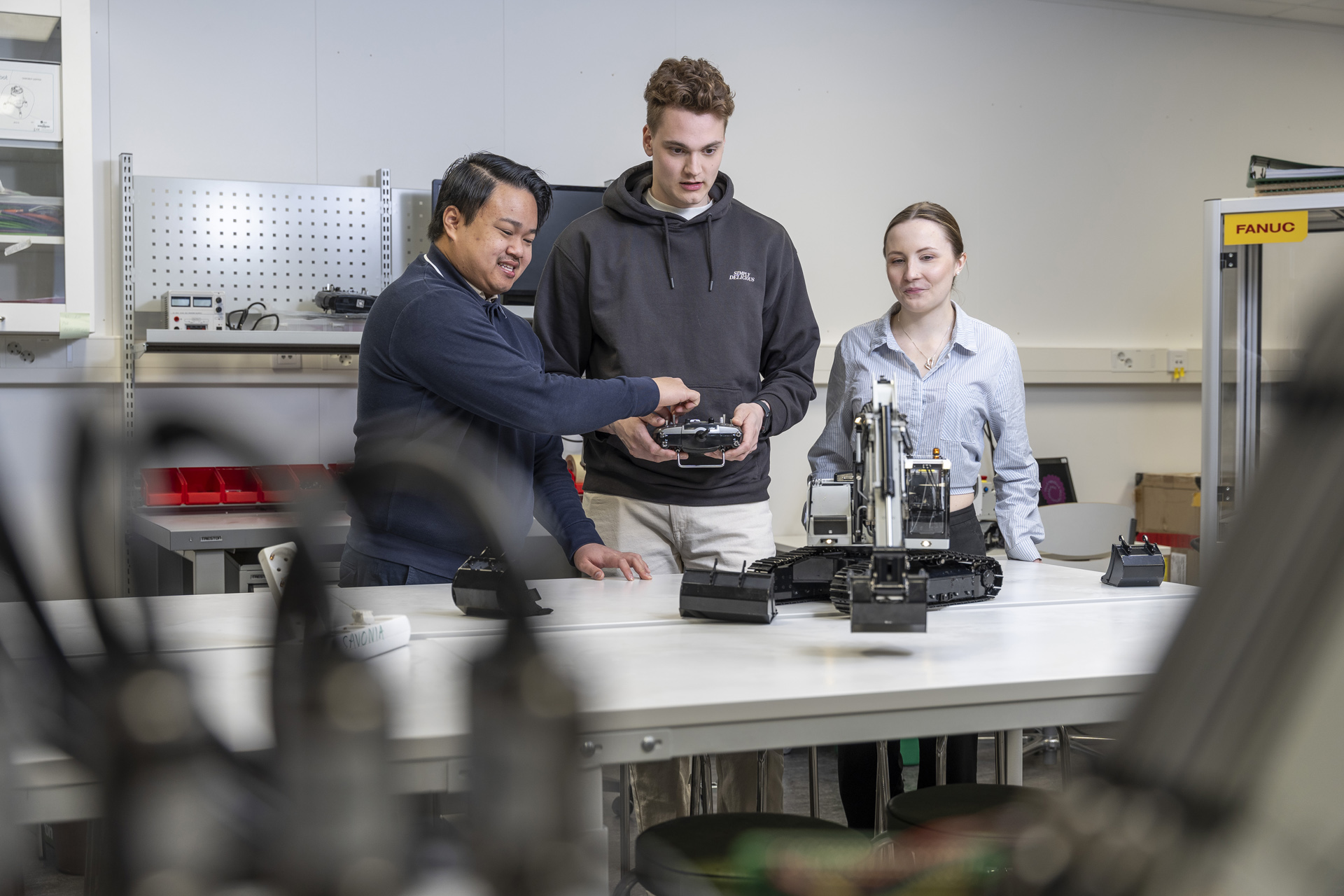
Learn to make smart decisions in real-world energy systems, where human thinking is supported by data, analytics and AI-based tools.
3. Learning That Prepares You for Real Work
Project-based studies closely connected to working life build the skills employers look for: problem-solving, teamwork in international environments, and innovation and leadership.
What will you learn?
1st year
You build a solid foundation in mathematics, natural sciences and core engineering, with an introduction to energy technology, electrical engineering, digital systems and engineering English.
2nd year
You study the global energy transition, circular economy, and information technology, IoT and cyber security, followed by business, innovation and leadership.
3rd and 4th year
You complete 30 ECTS of elective studies, your internship and your bachelor’s thesis, and finish your degree as a Bachelor of Engineering.
Driving the Energy Transition with Hybrid Intelligence
The programme focuses on renewable energy and climate-positive design strategies for sustainable development. You learn to integrate these perspectives and enable systemic transformation with innovative thinking and modern technology, where human expertise is combined with hybrid intelligence tools and decision support systems to address complex energy challenges.
Learn by doing
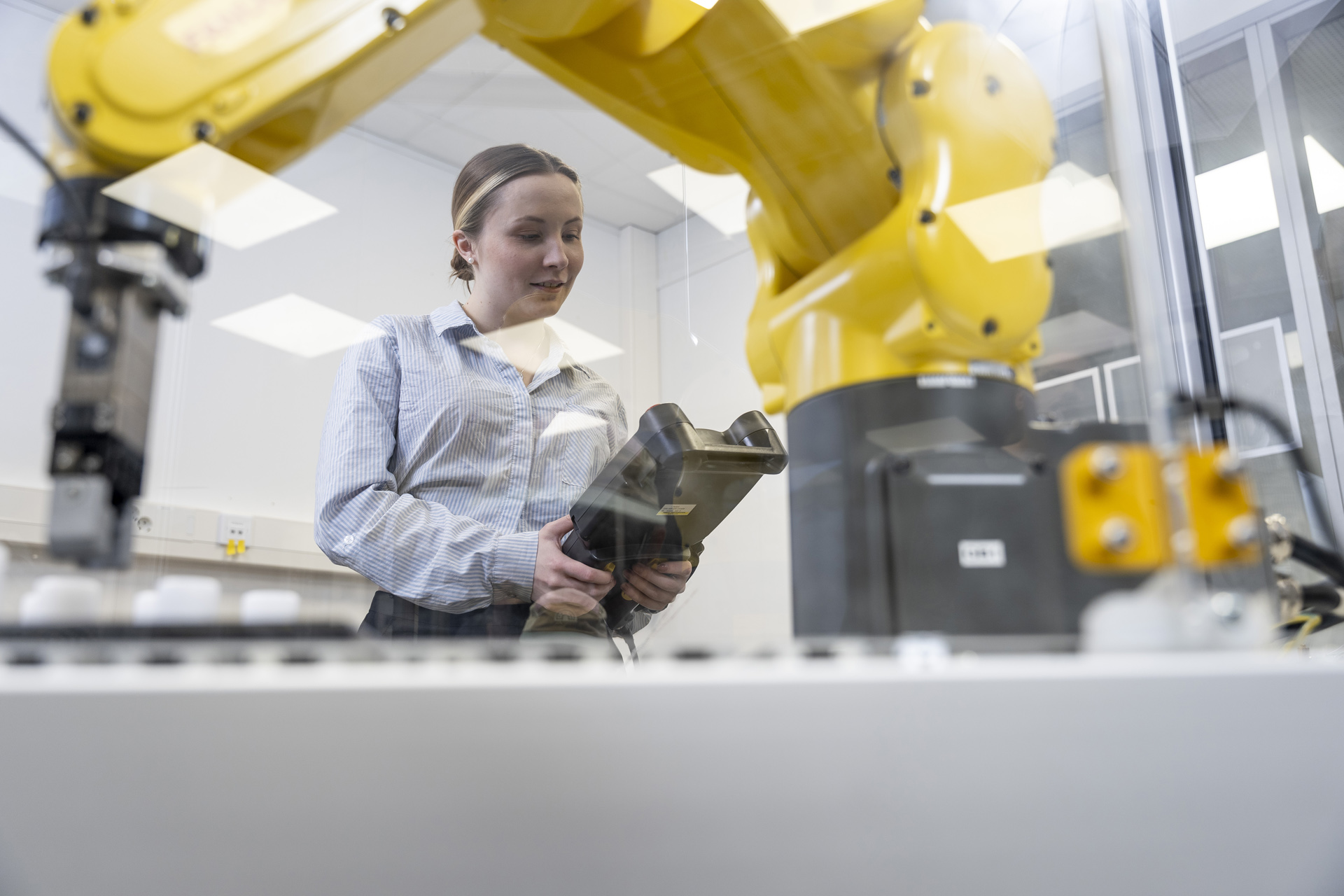
1. Internship
30 ECTS of practical training lets you apply all your skills and knowledge in a real firm, in Finland or abroad.
2. Thesis
Your 10 ECTS thesis is always work-related. You work with a company and Savonia from choosing the topic to completing it, and it often becomes a starting point for your career.

3. Project-based studies
Project- and inquiry-based learning is a typical study method, and project working skills are developed in every academic year in international and multicultural teams.

Programme Structure
The curriculum is designed as a three year, 240 ECTS degree programme, which necessitates the efficient use of summer semesters and corresponds to completion of 80 ECTS / academic year. The structure also enables a four year completion path (60 ECTS / academic year).
The study methods include, among others, contact lessons in campus, distance and independent learning, e-learning, project work, and practical training (internships) conducted nationally or internationally.
The studies include basic, professional and elective studies. The internship is 30 ECTS and the Thesis is 10 ECTS. You can choose 30 ECTS of elective studies based on your own individual interests.
The detailed structure of your studies is as follows:
• Basic studies 60 ECTS
• Professional studies 110 ECTS
• Elective studies 30 ECTS
• Internship 30 ECTS
• Thesis 10 ECTS
Career and future
Graduates go on to work in energy companies, consulting, R&D and public sector roles around the world. The skills you gain are designed for global demand and long-term relevance in the energy field. The degree is also an internationally recognised qualification for continuing to Master’s studies.
• Energy systems (renewables, grids, storage, efficiency)
• Industrial engineering (process, production, automation, systems)
• Business and projects (project management, consulting, sales, product roles)
• Sustainability (environmental, ESG, policy)
• Emerging technologies
Varkaus as a Study City
Varkaus is easy to reach from different parts of Finland. The vibrant city of around 20,000 inhabitants offers both a lively cultural life and natural peace. You can easily find a rental apartment and housing costs are affordable.
Tuition fees
The tuition fee policy for the first academic year depends on whether the student is accepted through Direct, Joint or Separate application. The tuition fee for the first academic year is €9,700. An Early Bird discount of 20% reduces the fee to €7,760.

How to apply to this programme
There may be more than one way to apply for the same degree programme. The right application route for you depends on your previous qualifications.
Contact Us for More Information
Have questions about applying or studying at Savonia? Our staff is here to help. Don’t hesitate to get in touch.

Petteri Markkanen
Senior Lecturer, Degree Programme Coordinator
petteri.markkanen@savonia.fi
+358 44 785 5928