Bachelor of Engineering, Information Technology (Internet of Things)

Bachelor of Engineering
Information Technology (Internet of Things)
Build smart, connected solutions that bridge the physical and digital worlds.
4 years • 240 ECTS
Microkatu campus, Kuopio, Finland
Full-time studies • On-campus • Fully Taught in English
Apply Through Direct Application
Direct application to Savonia’s English-taught Bachelor’s degree programmes opens on 1 October 2026.
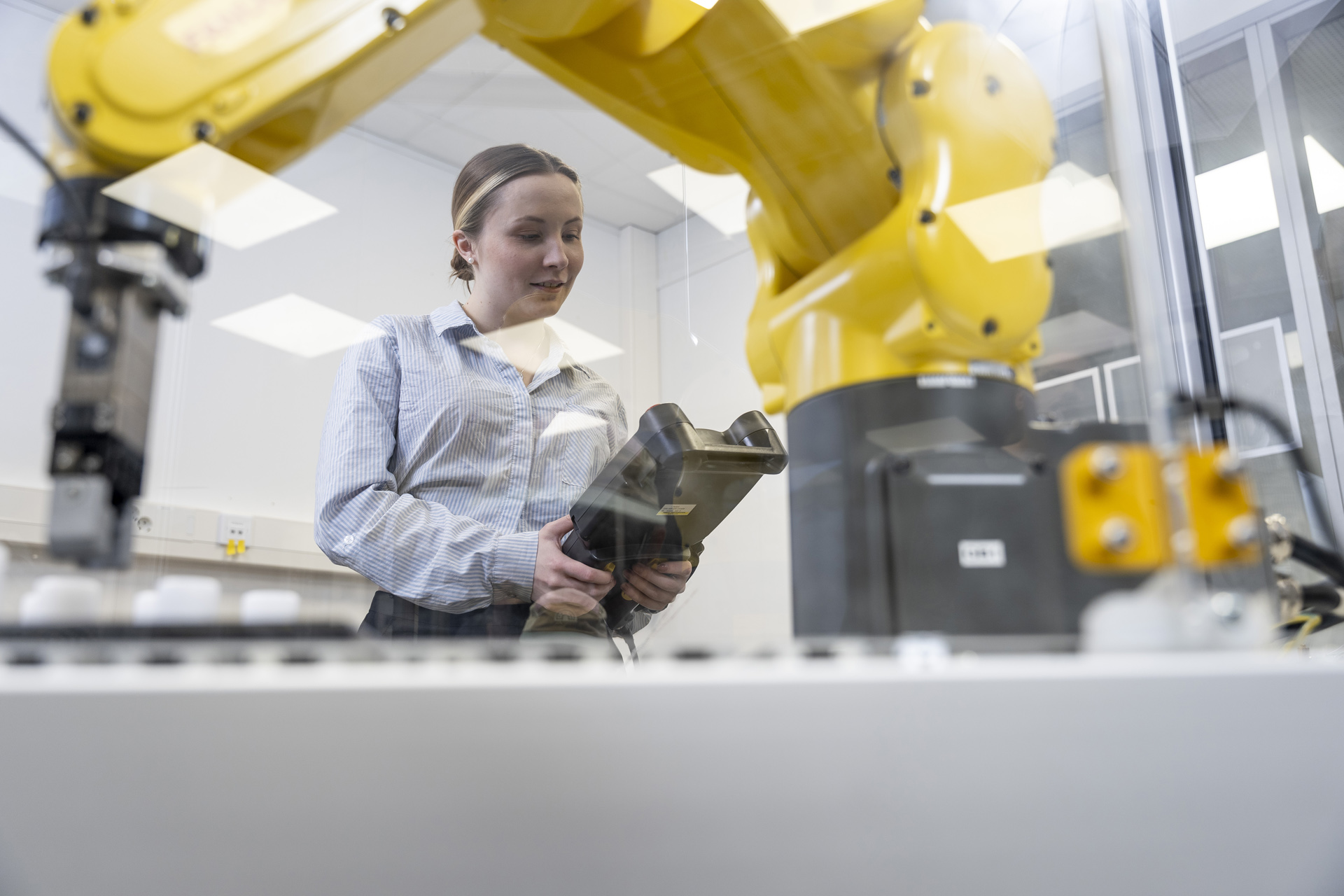
1. Software and Hardware Engineering
Learn skills for the entire IoT ecosystem from embedded devices to cloud services. Become a professional with strong software and hardware engineering skills.
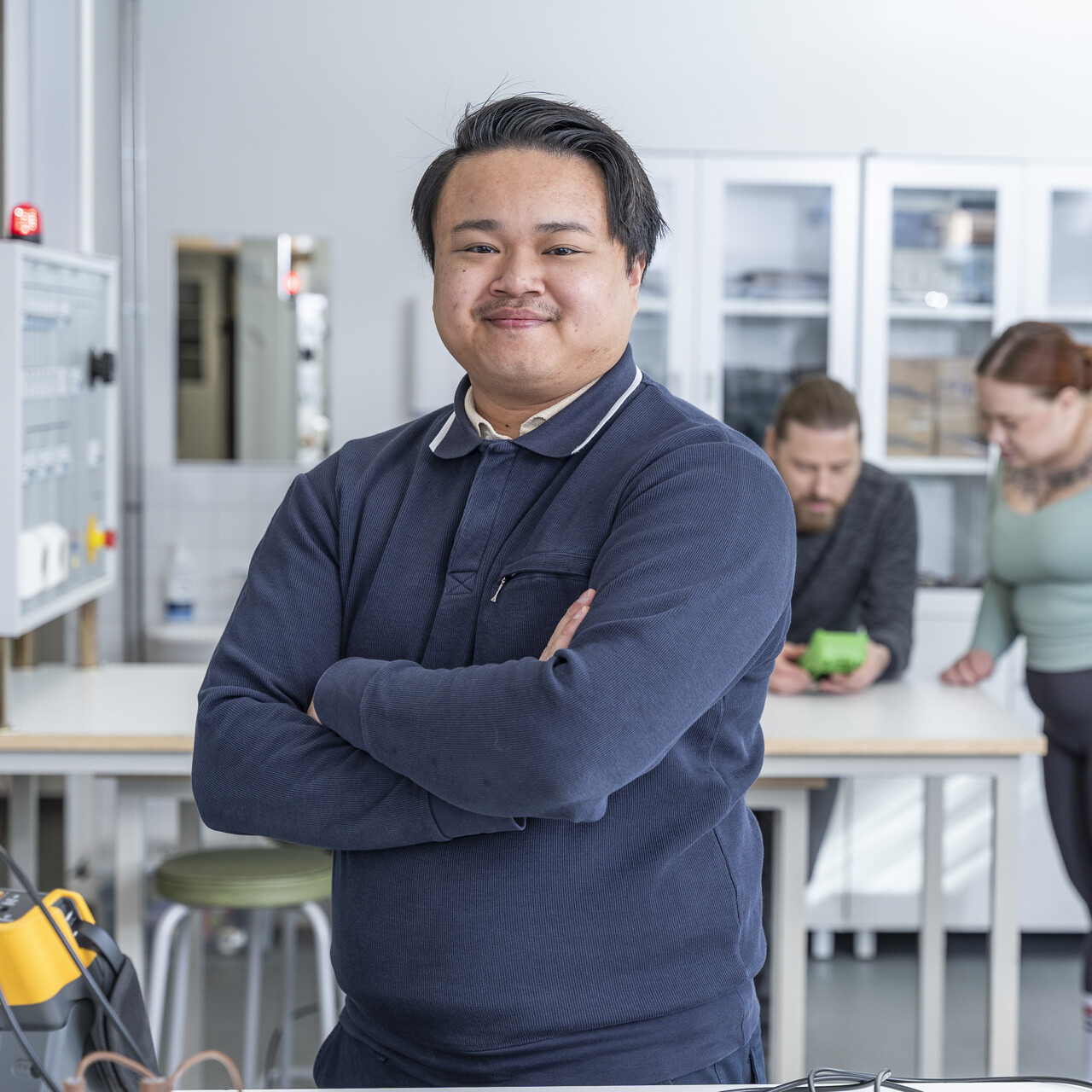
2. Artificial Intelligence and Hybrid Engineering
Deploy AI technologies across IoT devices and services. Discover innovative AI-assisted engineering practices and build the skills needed for a future-ready career.

3. Cybersecurity
Develop expertise in cybersecurity for the rapidly evolving Internet of Things (IoT) ecosystem.
What will you learn?
1st year
You acquire basic knowledge of IoT ecosystems, programming, electronics, communication, physics, and mathematics.
2nd year
You develop basic skills for IoT engineering, e.g., programming, sensors and electronics, artificial intelligence, and cloud platforms. At the same time more advanced knowledge in mathematics and physics is acquired. You work on industry-related internships.
3rd and 4th year
During your third year, you acquire product development and project management skills through a large IoT project. Engineering competences are deepened further and specialization into embedded, cloud, artificial intelligence and cybersecurity engineering can be tailored to your needs.
During your fourth year, you complete your specialization studies and finalize your internships and bachelor’s thesis. You graduate with a Bachelor of Engineering in Information Technology.
Choose Your Direction
Through elective studies you can fine-tune your degree for your specific career goals. Internet of Things ecosystem provides endless opportunities. We show here two examples of possible specializations, but the education does not limit you to these.
1. Cloud Engineering
Design, build, and manage scalable cloud-based systems and services. Develop skills in cloud platforms, virtualization, storage, cybersecurity, AI, automation, and DevOps, creating strong career opportunities in modern digital industries.
2. Embedded Engineering
Embedded Engineer builds tangible things. The emphasis is on hardware, electronics and embedded programming. You will acquire knowledge and skills with microcontrollers, sensors, their connectivity. Embedded AI technology and cybersecurity skills will be developed in this specialization.
Learn by doing
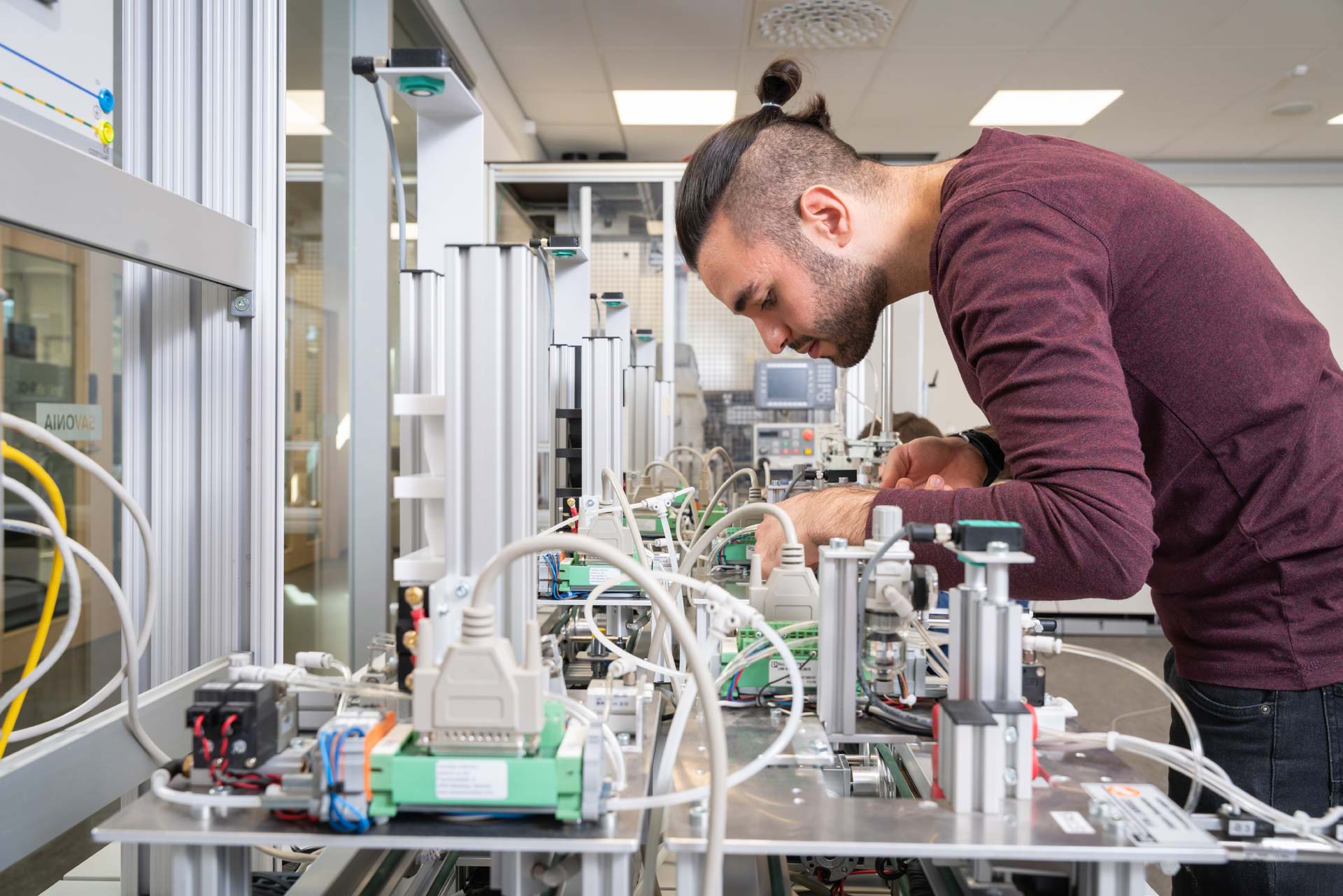
1. Laboratory and Project-based Learning
You get hands-on experience with modern technology in our labs, not just theory lectures or online content. Our project courses are inspired by industry needs. You will learn how to innovate and do development in a team.

2. Internship
Internships (30 ECTS) are a vital part of learning with us. You can work in companies in Finland and internationally to develop your professional skills.
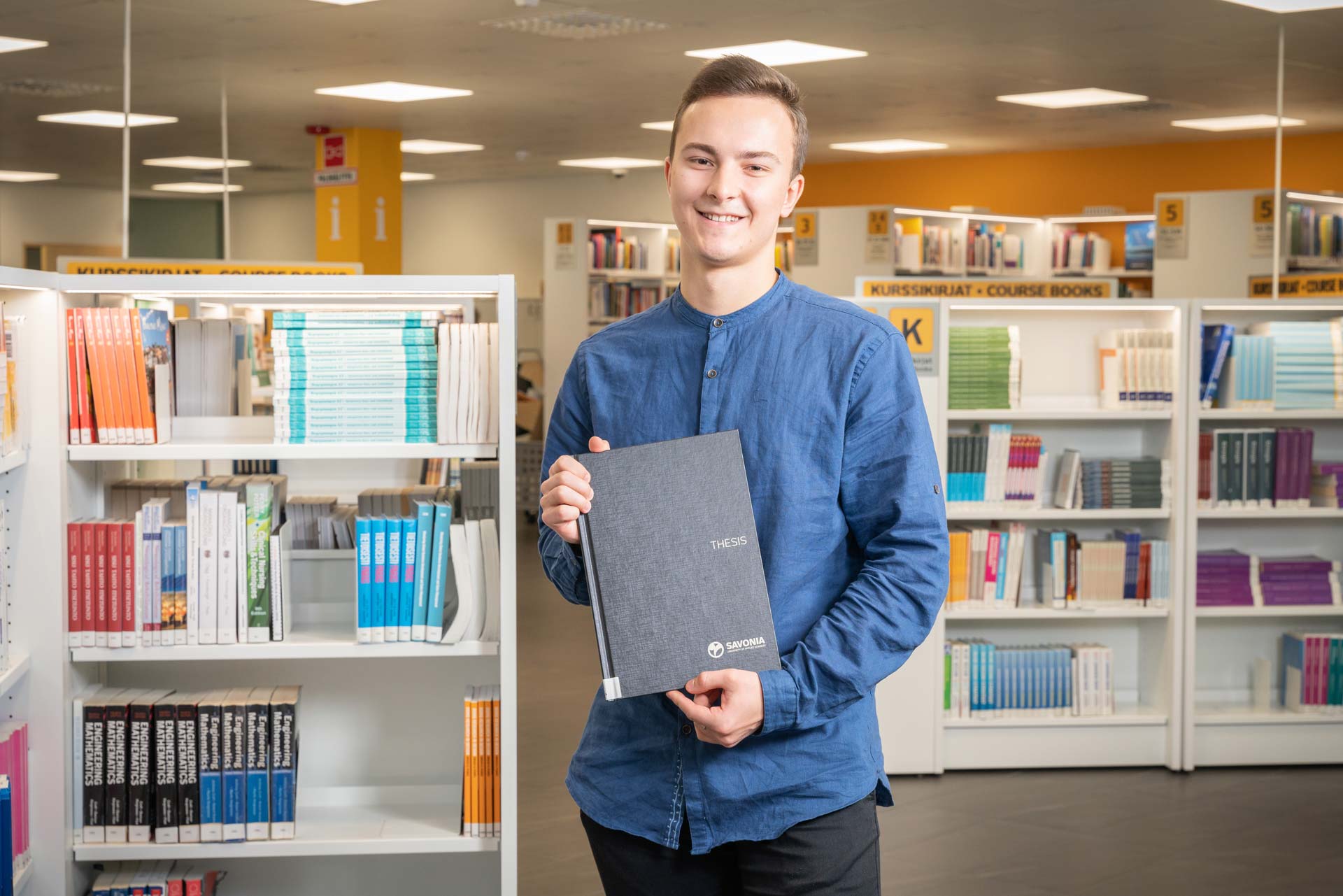
3. Thesis
You will deepen your skillset in thesis project (15 ECTS). Thesis is not just a literature review but an industry-related engineering project which will be a strong exhibit in your portfolio.

Programme Structure
The degree consists of 240 ECTS. According to the curriculum, one academic year corresponds to 60 ECTS, which is equivalent to 1600 hours of a student’s workload.
The detailed structure of your studies is as follows:
• Basic studies 50 ECTS
• Professional studies 115 ECTS
• Specialization Studies 15 ECTS
• Elective studies 15 ECTS
• Internship(s) 30 ECTS
• Thesis 15 ECTS

Career and Future
Graduates can work in many different roles in IoT engineering and general IT engineering. Cloud technology, cybersecurity, and Artificial Intelligence provide good career paths for our graduates. The degree prepares you for learning how to keep up with fast technological development and pursue a career in Finland and internationally.
• IoT Engineer
• AI Engineer
• Cybersecurity Engineer
• Cloud Infrastructure Engineer
• Software Developer
• Full-Stack Developer
• Data Engineer

My Journey into IoT at Savonia
“Studying at Savonia is highly practical and industry-oriented. The program includes subjects such as electronics, sensors and actuators, embedded systems, programming, networking, cloud platforms, data analytics, and IoT system design. Learning is largely project-based, encouraging teamwork and hands-on problem-solving.”
Kuopio as a Study City
Kuopio is the largest of Savonia’s campus cities, with over 120,000 residents and a vibrant student community. Located in Eastern Finland, the city combines the benefits of urban services with easy access to nature, offering a balanced environment for studying and everyday life.
Tuition fees
The tuition fee policy for the first academic year depends on whether the student is accepted through Direct, Joint or Separate application. The tuition fee for the first academic year is €9,700. An Early Bird discount of 20% reduces the fee to €7,760.

How to apply to this programme
There may be more than one way to apply for the same degree programme. The right application route for you depends on your previous qualifications.
Contact Us for More Information
Have questions about applying or studying at Savonia? Our staff is here to help. Don’t hesitate to get in touch.

Markku Kellomäki
Senior lecturer, Degree program coordinator, Ph.D.
markku.kellomaki@savonia.fi
+358 44 785 6444