Savonia Article Pro: Infection prevention and control in healthcare environments
Savonia Article Pro is a collection of multidisciplinary Savonia expertise on various topics.
This work is licensed under CC BY-SA 4.0


Introduction
Every day, patients come to healthcare facilities to get better. However, without proper infection control, they could catch illnesses that could have been prevented. Healthcare-associated infections (HAIs) are a serious risk in clinical settings. They can happen when proper precautions are not taken during patient care. (World Health Organisation, 2024.)
This article is for healthcare students and those starting their careers. It explains important infection prevention and control (IPC) practices and shows why they matter in reducing healthcare-associated infections (HAIs), with examples from Finland and global standards.
Preventing and controlling infections is essential for keeping both patients and staff safe. Healthcare-associated infections remain a major problem worldwide. They lead to more illness, longer hospital stays, and higher healthcare costs. The World Health Organisation notes that HAIs happen everywhere and put a heavy strain on health systems and patients. (World Health Organisation, 2024; CDC, 2026.)
Understanding Healthcare-Associated Infections
Healthcare-associated infections are infections that patients can get during medical care. Examples are bloodstream, surgical site, and respiratory infections. These often occur due to invasive procedures, weakened immune systems, or poor hygiene. (Centres for Disease Control and Prevention, 2025.) Finnish research shows these infections are still a serious problem in intensive care units, causing higher death rates and more strain on healthcare (Terho et al., 2025). Taking clear steps can reduce these infections, and hand hygiene is one of the most important (World Health Organisation, 2024).
Hand Hygiene as a Fundamental Practice
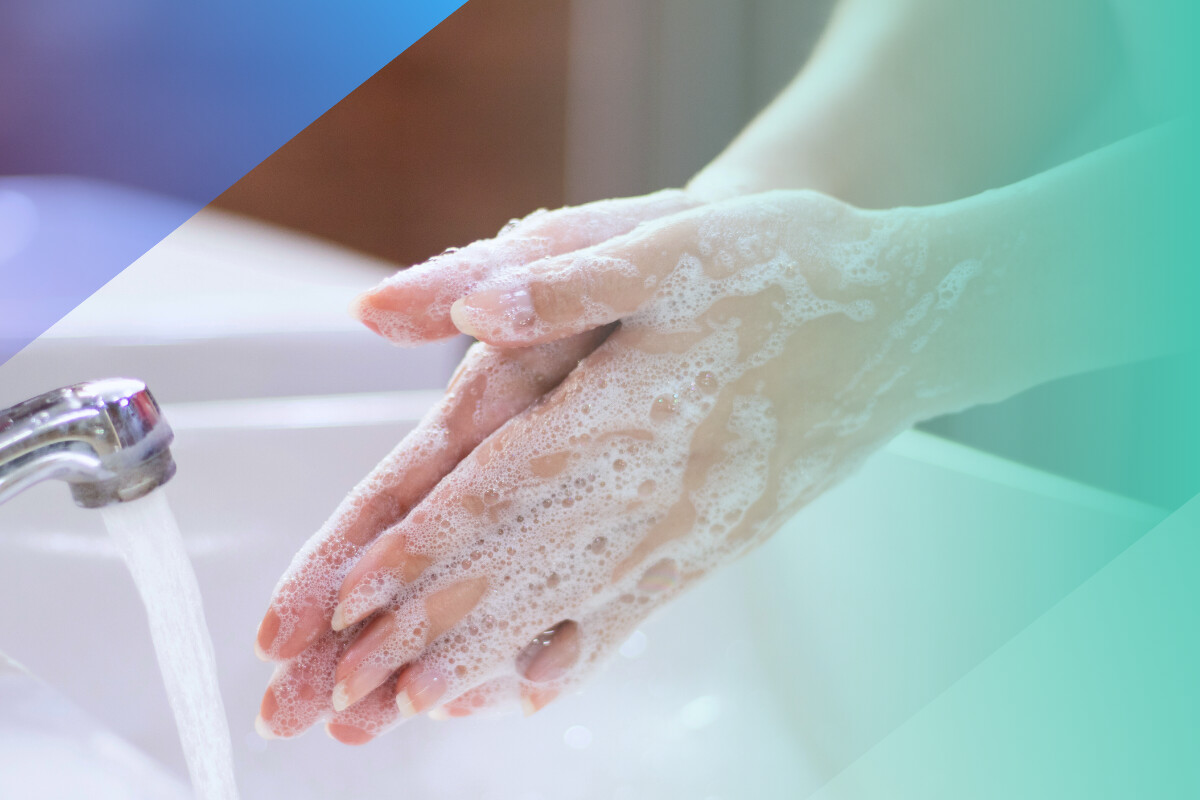
Hand hygiene is the best way to stop infections from spreading. Healthcare workers should clean their hands before and after seeing each patient, after contact with body fluids, and after touching any contaminated surface. Alcohol-based hand rubs are popular because they are effective and easy to use, but soap and water are still needed if hands look dirty. (World Health Organisation, 2020.) In Finland, hand hygiene is closely watched, and staff get regular training to help them follow the rules (FinnHealth, 2024). Using personal protective equipment is also important for preventing infections (European Centre for Disease Prevention and Control, 2023).
Use of Personal Protective Equipment
Personal protective equipment, like eye protection, gowns, gloves, and masks, helps protect healthcare workers from infections. It is important to choose the right equipment and use it correctly. For example, gloves should be changed between patients, and masks should be worn if there is a risk of airborne infection. (Centres for Disease Control and Prevention, 2025.) Finnish guidelines also highlight the correct use of protective equipment and keeping safe distances to help stop infections from spreading (Finnish Institute of Occupational Health, 2021). Besides personal protection, keeping the environment clean is also key to reducing infections (European Centre for Disease Prevention and Control, 2023).
Environmental Cleaning and Disinfection
Germs that cause infections can be found in the healthcare environment. Regular cleaning and disinfecting of surfaces, equipment, and patient areas helps reduce the number of germs. Surfaces that are frequently touched, such as bed rails, doorknobs, and medical devices, require extra care. Using the right disinfectants and following the recommended times make cleaning more effective. (World Health Organisation, 2020.) In Finland, infection control teams set and check hygiene standards in healthcare facilities to keep everyone safe (HUS Infection Control Unit, 2025).
Safe Injection and Waste Management Practices
Unsafe injection practices and not disposing of medical waste properly can spread infections. Needles and syringes intended for single use should never be reused, and sharps must be placed in special containers immediately after use. (Centres for Disease Control and Prevention, 2025.) In Finland, healthcare systems also focus on sorting waste correctly and keeping the environment safe as part of their infection prevention plans (FinnHealth, 2024).
Education and Training of Healthcare Workers
Ongoing education and training are key to preventing infections (Terho et al., 2025). Healthcare workers need to stay up to date with new guidelines and best practices. Training sessions, workshops, and regular checks help make sure everyone follows the right steps. In Finland, infection control nurses play an important role in training staff, checking hygiene standards, and giving advice on infection prevention. (Wellbeing Services County of Southwest Finland, 2025.) Studies show that when healthcare staff know more, infection control improves. By focusing on hand hygiene, proper use of protective equipment, cleanliness, safe practices, and ongoing education, healthcare facilities can significantly reduce infection risks. The Finnish model shows that structured training, monitoring, and teamwork can strengthen infection control. These steps protect patients and make the workplace safer for healthcare professionals. (Terho et al., 2025.)
Conclusion
Preventing and controlling infections in healthcare requires a steady, thoughtful approach. This article covers important infection prevention and control (IPC) practices, including hand hygiene, proper use of personal protective equipment (PPE), environmental cleaning, and adherence to safe clinical procedures. It also explains how these steps help reduce healthcare-associated infections. (World Health Organisation, 2024; Centres for Disease Control and Prevention, 2026.)
This article also explains why these infection prevention and control principles are important for nursing students and those new to healthcare. By using these practices regularly during their studies and training, nursing students help keep patients safe and prevent the spread of infections. (World Health Organisation, 2024.)
The example from Finland shows that structured training, clear national guidelines, and regular monitoring help maintain high infection control standards. This case shows how well-organised systems and effective education strengthen infection prevention and control practices in real healthcare settings. (FinnHealth, 2024.)
Everyone working in healthcare is responsible for preventing infections. When organisations focus on safety, accountability, and ongoing learning, they protect patients, reduce healthcare costs, and make the workplace safer. Maintaining these practices is important for managing current and emerging infection risks and for building a safer, healthier future. Nursing students, as future professionals, play a key role and should participate in infection prevention every day. (World Health Organisation, 2024.)
Kirjoittajat
Writer: Ngwa Glen Mfombe , nursing student, Email: s2416822@edu.savonia.fi.
Supervisor: Leena Koponen, Senior Lecturer, leena.koponen@savonia.fi
International Unit of Health Care, International Degree Programmes, Unit of International Affairs
References
Centres for Disease Control and Prevention (CDC). (2025). Infection Control Basics. Updated 12.06.2025. Infection Control Basics | Infection Control | CDC. Accessed 04.04.2026.
Centers for Disease Control and Prevention (CDC). (2026). Healthcare-associated infections (HAIs). Updated 29.01.2026. Current HAI Progress Report | HAIs | CDC. Accessed 08.04.2026.
European Centre for Disease Prevention and Control. (2023). Infection prevention and control and preparedness for COVID-19 in healthcare settings. Updated 2026. Infection prevention and control and preparedness for COVID-19 in healthcare settings – sixth update. Accessed 10.04.2026.
FinnHealth. (2021). Infection Prevention and Control. Updated 2021. finnhealth.fi. Accessed 07.04.2026.
Finnish Institute of Occupational Health. (2021). Guidelines for Workers to Prevent Coronavirus Infection. Updated 24.01.2021. Työterveyslaitos. Accessed 09.04.2026.
HUS Infection Control Unit. (2025). Infection Control Services and Guidelines. Updated 2026. Infection Control Unit | HUS. Accessed 08.04.2026.
Terho, K., Löyttyniemi, E., Rintala, E., and Salanterä, S. (2025). Infection prevention knowledge and perceptions in Finnish intensive care units. Updated June 2025. PLOS One. Accessed 05.04.2026.
Wellbeing Services County of Southwest Finland. (2025). Infection Prevention Services. Updated 05.09.2025. Suomi.fi. Accessed 05.04.2026.
World Health Organisation. (2020). Guidelines on Core Components of Infection Prevention and Control Programmes. Updated 2026. Guidelines on core components of infection prevention and control programmes at the national and acute health care facility level . Accessed 03.04.2026.
World Health Organisation. (2024). Infection prevention and control. Hand hygiene. Updated 2026. Infection prevention and control. Accessed 09.04.2026.