Savonia Article: Forest industry side streams could be utilized almost 100%
This work is licensed under CC BY-SA 4.0


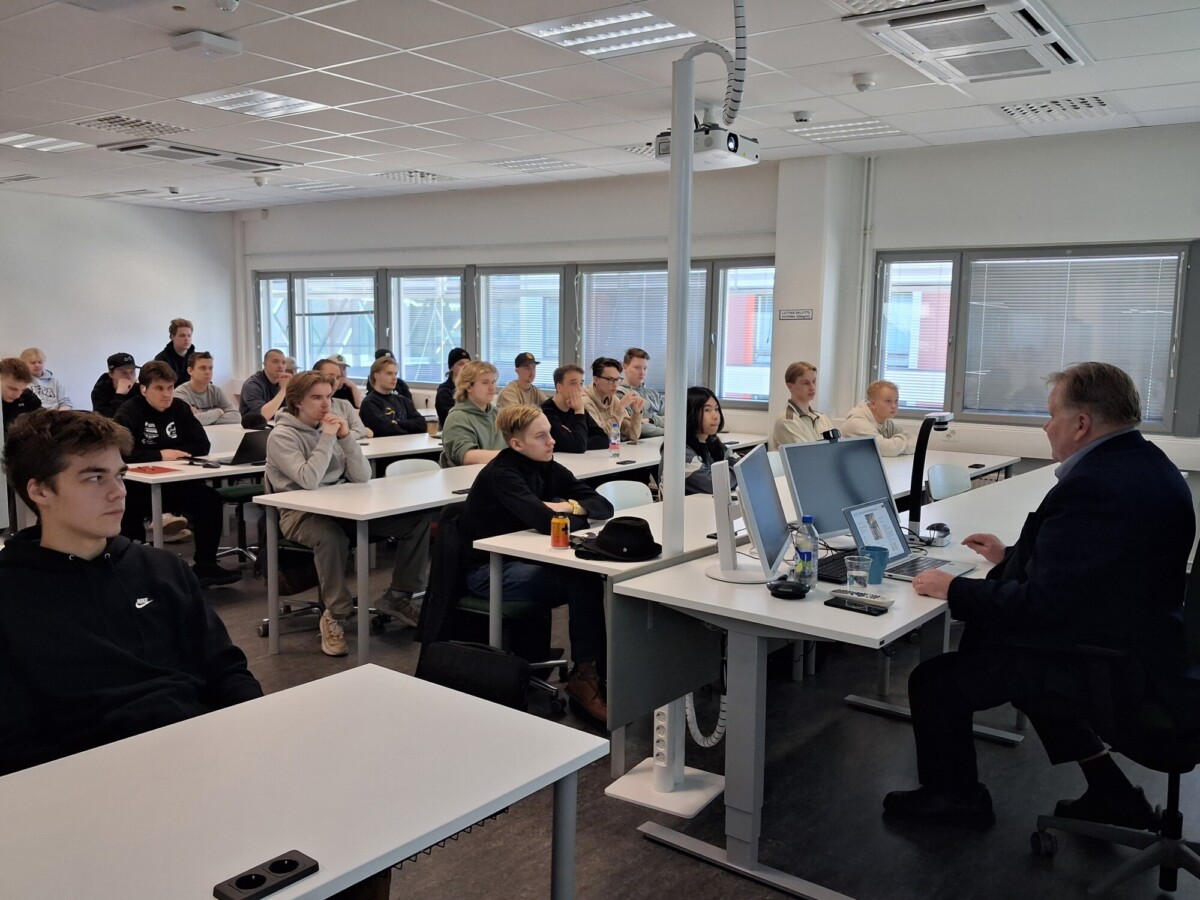
Adjunct Professor Elias Hakalehto (University of Helsinki, University of Eastern Finland, Finnoflag Oy) visited Savonia University of Applied Sciences in April 2026 to lecture to first-year students of mechanical engineering. The main focus was an introduction to the principles of a microbiological biorefinery as part of the Environmental Management of a Manufacturing Company course. Elias Hakalehto has recently received the highest honor of the global scientific society International Society of Environmental Indicators, the ISEI Fellowship Award.
Elias is a microbiologist by training, and he has a PhD in biotechnology on the biotechnical research and utilization of microbes. After graduating from the University of Helsinki in 1983, he has studied at, among others, three English universities.
Due to their small size, microbes cannot be seen with the naked eye, but the effects of their activities are clearly evident, for example, in the natural cycle of matter and food chains, as well as in the functioning of the human body. Elias has been promoting the production of valuable commodities using microbes for decades. He served as a process biotechnology Key Technology Provider in the EU Baltic Sea Region ABOWE project in 2012-2014. Biorefinery products in pilot projects led by Finnoflag have included, for example:
– Lactate from milk sugar, i.e. lactose,
– Energy gases, such as hydrogen and methane,
– Biofuels, such as ethanol and butanol,
– So-called platform chemicals, such as raw materials for the production of plastic, synthetic rubber, cosmetics and textiles,
– Carriers for the pharmaceutical industry, such as mannitol,
– Organic soil conditioners,
– Cleanup of polluted soils and waters.
Soil degradation as a global threat
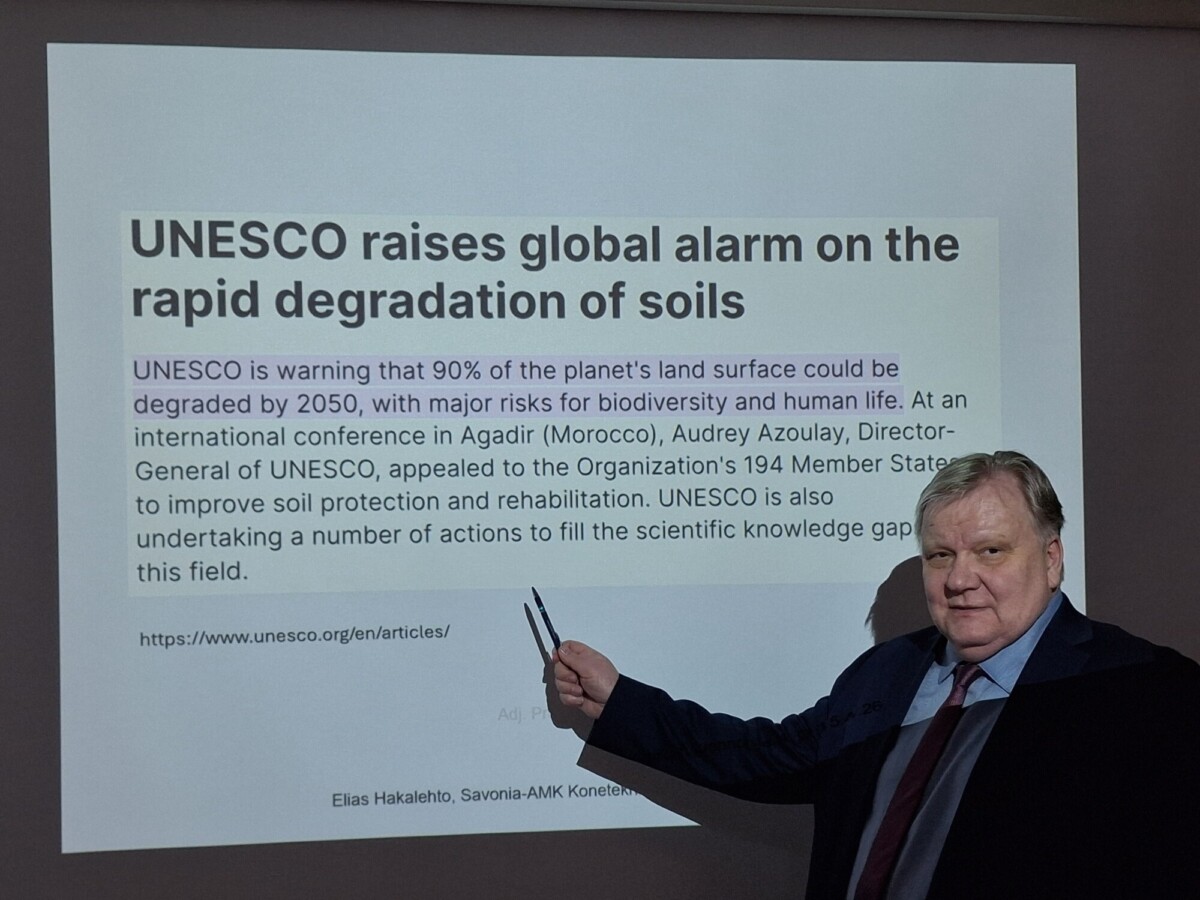
Soil degradation is one of the most serious global threats to food security. The United Nations’ UNESCO and the Food and Agriculture Organization (FAO) have warned that a significant portion of the world’s arable land is losing its productive capacity. According to a UN report, about 15 million square kilometers of soil has already been degraded, and an estimated one million square kilometers more soil is being degraded each year. UNESCO warns that at the current rate, up to 90% of the world’s surface land will be degraded to the point where it is no longer suitable for agricultural use by 2050. This will cause food shortages and thus threaten the functioning of societies, biodiversity and human life. Elias gave a keynote lecture for the Food Chemistry & Technology conference in Rome, Oct. 2025, regarding the worsening global soil crisis.
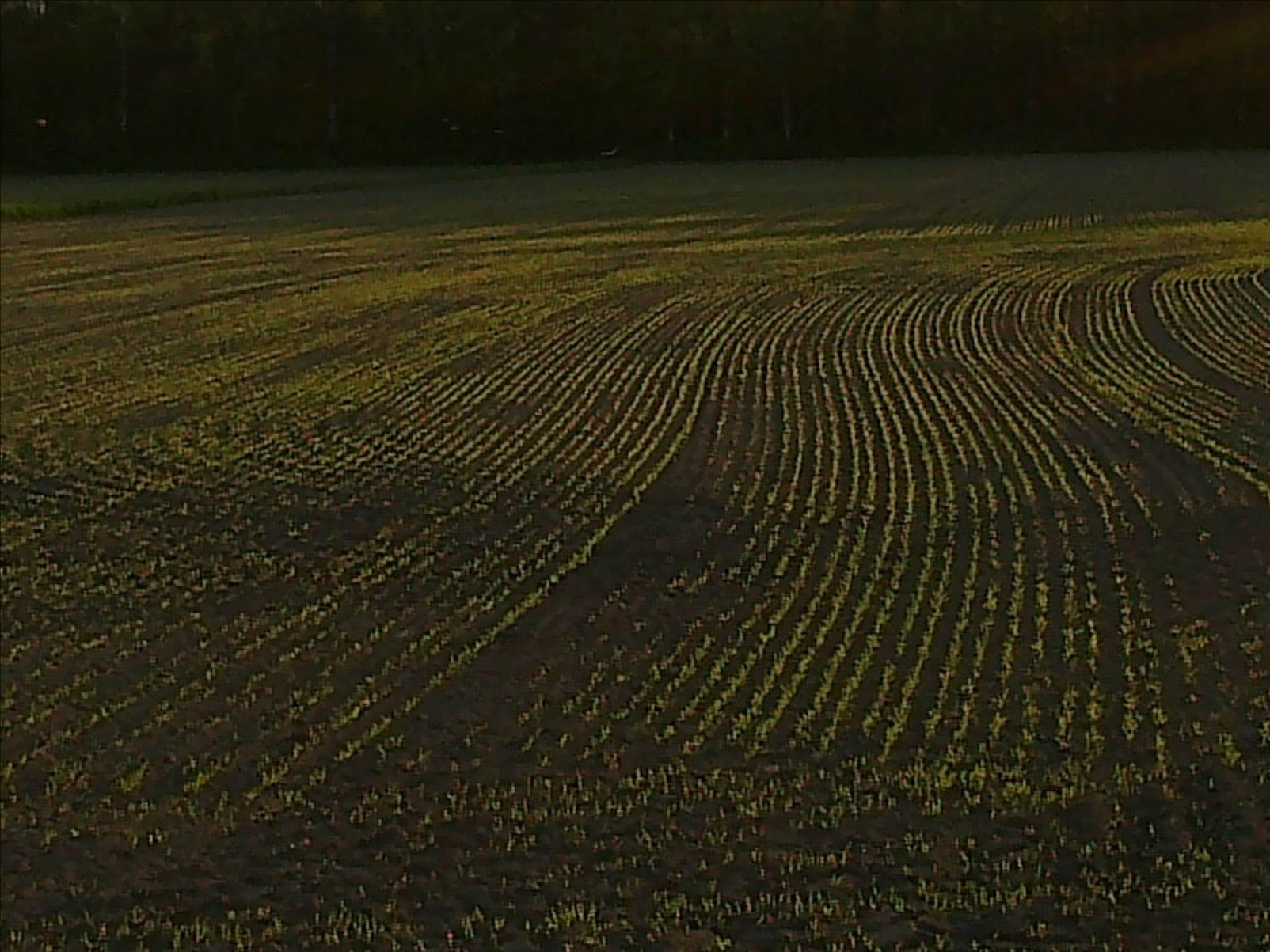
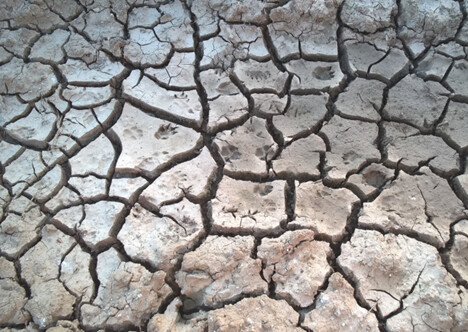
Soil degradation has been caused over decades by erosion, climate stress such as drought, deterioration of soil structure, excessive use of mineral fertilizers containing free salts, and deterioration in the soil’s microbiological balance. Elias sees that this global trend could be partly curbed by processing, for example, side streams from the forest industry into substances that strengthen soil resilience and its microbiome.
Elias describes how microbes, such as bacteria, microfungi (molds and yeasts), algae and other microorganisms form a living network in the soil. This maintains the nutrient cycle, balances the availability of water and minerals, and mitigates the effects of erosion and climate stress. Microbial communities detect soil imbalances, break down organic matter and release nutrients, and form biofilms that strengthen the soil and its crumb structure. They act as nature’s own maintenance team, constantly independently repairing soil problems.
Forest industry sidestreams help improve soil with microbiological methods
Forest industry sidestreams have long been utilized in agriculture to improve soil, but their potential for use is significantly greater than currently.
Fiber clay is a mixture of fibers created in forest industry processes, which includes a special clay mineral needed, for example, in the production of quality paper. Other fiber-based sidestreams are also created in the forest industry. So-called zero fiber is a side stream of the pulp industry, consisting of very short wood fibers. Previously, zero fiber has ended up in waterways along with industrial processes. Nowadays, environmental requirements have become stricter and industrial cleaning processes have become more efficient.
Fibrous clay and other fiber-based side streams from the forest industry simultaneously affect the soil in many ways. The water retention capacity of the soil increases thanks to the fibers. According to Elias, the water retention capacity of the fibers and the associated microbiome also balances the effects of irrigation in dry areas. Organic fiber binds water and acts as a reservoir in case of drought, releasing moisture at a rate suitable for plants to use.
Fiber-based materials also increase the amount of organic matter in the soil. Organic matter is essential for soil fertility: it improves nutrient binding and thus reduces, for example, the leaching of phosphorus into waterways. In addition, the biological activity of the soil grows with the increase in the amount of organic matter.
In various research projects, including experiments conducted by Finnoflag Oy, it has been observed that adding zero-fiber to the field activates microbes to break down fiber and release nutrients for plant use. At the same time, compounds are formed that strengthen the soil structure and reduce nutrient leaching. Their effect can be seen in both the quality and quantity of the crop. The effects can be seen quickly as increased microbial activity, while some of the benefits appear with a delay, such as improving the soil structure and binding carbon to it. When the right growth medium and nutrition are added to the microbes, the beneficial effect of the addition can last for, for example, three to five years.
An estimated 420,000 tons of dry matter fiber sludge is formed in Finland per year. Elias sums up that when processed, these masses can act as long-lasting soil conditioners that bind carbon, water and nutrients. In addition to soil conditioning and improved food production (both quantitative and qualitative), valuable chemicals and energy gases can be obtained from the side streams of the forest industry. This has been concretely proven, for example, in the “Zero Waste from Zero Fibre” project led by Finnoflag Oy and funded by the Ministry of Agriculture and Forestry and the City of Tampere in 2018-2019.
Learning from the economy of Nature for the human economy
With the help of many examples he picked from Nature, Elias opened up to the students how lessons can be learned from the economy of Nature for the human economy and how industry can be adapted 100% to nature. Examples from Nature and microbiology offer many opportunities for developing high technology and putting technology into practice. In order to utilize microbes and their enzymes, mechanical equipment is needed to control the phenomena.
In Finnoflag’s concepts, the processes are based on the natural microbes in the feed and the addition of industrial microbial strains. This creates a mixed culture, a diverse ecosystem that generates desired products with high productivity. Elias also explained to the students how microbes work together and form a network of different interactions, striving for a state of equilibrium, an issue that is very important for human bioeconomy. This can be controlled in industrial processes and primary sector under natural conditions to optimize production.
Elias told that when producing products with their own metabolism using enzymes, microbes operate very energy-efficiently. Bioprocess technology makes it possible to produce the most diverse selection of chemical products. The biocatalytic potential of microbes can be utilized in industry in many ways. Elias has chosen to use nature’s own bacterial strains for safety reasons. All products that are currently made from oil could be made from biomass. This has been developed initially, but oil has taken over as a dominant fuel and raw material due to its low cost. Now, to complement it, microbiological biotechnology and its possibilities based on scientific research and testing are needed, which reduces the need for fossil raw materials. It is also particularly important to develop new mechanical technology to work synergistically with microbes to maintain the production of microbial communities and to develop new production possibilities. This is an innovation economy that utilizes biological and biochemical principles and can generate a wealth of new industrial activities.
Finnoflag Oy has implemented more than a dozen biorefining pilot projects
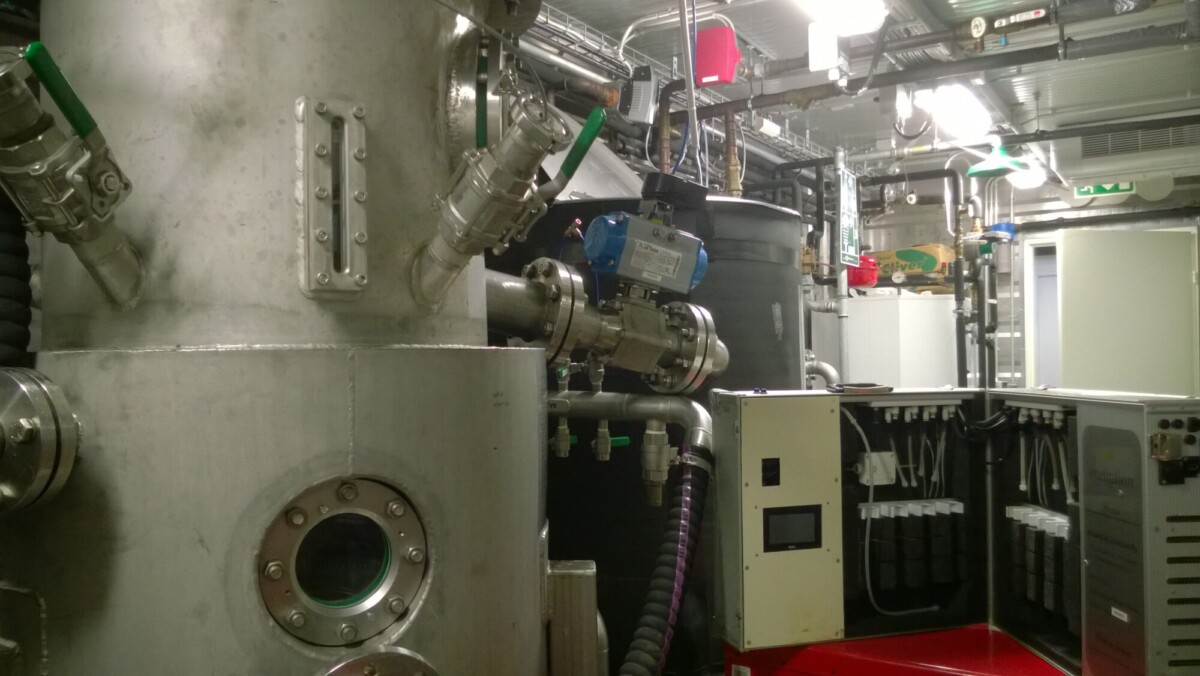
Finnoflag Oy has demonstrated the potential of biorefinery in pilot projects with producers of various waste and side streams in the forest and food industries, agriculture and circular economy operators. Partners from the food industry have included, for example, Honkajoki Oy and HKFoods Oyj (formerly HKScan Oyj). Always according to the respective application, suitable equipment with sensors has been built, either as an in-house operation or with joint partners. Scales have varied from less than a cubic meter to 15 cubic meters. There have also been biogas applications.
For example, in the ABOWE pilot project, funded by the EU Baltic Sea Region Programme and led by Savonia, a new type of biorefinery pilot plant was designed and built, which was tested in Finland, Poland and Sweden. Elias and his Finnoflag Oy, as a Key Technology Provider, brought microbiological and biotechnical expertise to the project. When implementing the project and its underlying theory in practice, multidisciplinary cooperation was needed.
Based on the results of the ABOWE trials conducted at Powerflute Savon Sellu corrugated board mill in Kuopio (now Mondi), there is a lot of potential for the production of hydrogen and other valuable products from wastewater and sludge generated at the wastewater treatment plant.
In the ABOWE trials in Sweden, it was found, among other things, that when waste processed in a biorefinery pilot plant was subsequently fed into biogasification, this feed gave the best biogas yield compared to waste that had not been processed in a biorefinery pilot plant.
Utilization of side streams accumulated in the environment (“Ecosystem Engineering”)
The fiber sludge from Hiedanranta in Tampere has been another biorefining technology pilot of Finnoflag Oy that has been publicly presented. Zero fiber, i.e. fibers that were previously too short for papermaking, was once dumped at the bottom of the lake until the 1960s. There are at least 1.5 million cubic meters of zero fiber at the bottom of Lielahti in Näsijärvi, but it contains a rich variety of usable substances. Zero fiber was used as a raw material for biorefining in extensive and long-term studies. The first research project “Zero Waste from Zero Fibre” as part of the Blue Bioeconomy program in 2018-2019 in Hiedanranta in Tampere was carried out with a 15 cubic meter industrial-scale basin-type pilot plant. Ramboll Finland Oy coordinated the project and the Ministry of Agriculture and Forestry and the City of Tampere financed it. The main chemical products of the biorefining trials were lactate and mannitol. The next phase could have been launched as early as 2019. In the next studies, Finnoflag Oy clearly achieved world-record results in mannitol and lactate productivity: 13% for mannitol and 14.7% for lactate. These results have been published, among others, at the European Geosciences Union (EGU) conferences in Vienna in 2022-2024. With the global mannitol market growing by more than 10% per year, this is a very promising result. Mannitol is a common sweetener and additive in sweets such as xylitol chewing gum, for example, and is increasingly used as a carrier for medicines. Lactate, or lactic acid, is used in applications in the chemical, food and cosmetics industries.
Finnoflag Oy was the main partner in the BioResque project (“Resource Recovery and Production by Industry Like Nature® Biorefinery”, 12/2023-5/2025), funded by the EU CircInWater program. The project focused on improving soil quality by converting pulp and paper industry side streams into microbiologically effective soil conditioners.
Elias says that studies consistently suggest that forest industry side streams can restore degraded and erosion-damaged lands to arable condition. The forest industry could play a much more significant role globally in strengthening soil productivity and sustainability. The industry produces tens of thousands of tons of organic side streams every year, and over the decades, huge amounts of biomass have accumulated on the bottoms of rivers, lakes and seas. These reserves contain millions of tons of potential raw materials that could support soil restoration, while also promoting the purification of water bodies and ecosystems.
So far, only a small part of this resource is in use. In Elias’ view, joint ecosystem solutions should be formed between industry and agriculture, in which side streams are utilized as raw materials. When side streams from the forest industry are made part of the nutrient cycle with the help of microbes, it is simultaneously a matter of food security, water purification, and climate work.
Authors
Ari Jääskeläinen, Senior Lecturer in Industrial Management, M.Sc. (Tech.), B.Soc.Sc., Savonia University of Applied Sciences.
Sources
– Forest News 2026. Teollisuuden jätteestä ruokaturvan pelastajaksi: metsäteollisuuden sivuvirrat voivat ylläpitää ja palauttaa maaperän tuottavuutta. Julkaistu 19.2.2026. https://forest.fi/fi/artikkeli/teollisuuden-jatteesta-ruokaturvan-pelastajaksi-metsateollisuuden-sivuvirrat-voivat-yllapitaa-ja-palauttaa-maaperan-tuottavuutta/. Viitattu 26.4.2026.
– MaintWorld 2025. The Microbial Revolution. Julkaistu 14.3.2025. https://maintworld.com/News/The-Microbial-Revolution/. Viitattu 26.4.2026.
– MaintWorld 2026. Soil Microbes and Forest Industry Side Streams: The Hidden Maintenance System for Global Food Security. Julkaistu 19.3.2026. https://maintworld.com/Asset-Management/Soil-Microbes-and-Forest-Industry-Side-Streams-The-Hidden-Maintenance-System-for-Global-Food-Security/. Viitattu 26.4.2026.
– Hakalehto, E. et al. 2022. Record level productivity of lactate from a century-old cellulosic deposit on the lake bottom in Tampere, Finland. EGU (European Geosciences Union) General Assembly 2022, Wien, Itävalta.
– Hakalehto, E. 2025a. (Ed.) Mixed Cultures in Industrial Bioprocesses. Cham: Springer.
– Hakalehto, E. 2025b. Microbes sustain industrial ecosystems and food production. 11th International Conference on
Food Chemistry & Technology. October 15-17, 2025, Rome, Italy.
Article has been previously published at Savonia-artikkeli 13.5.2026: Metsäteollisuuden sivuvirrat voitaisiin hyödyntää lähes sataprosenttisesti.