Savonia Article: Building Resilience Through International Collaboration: Savonia at FH JOANNEUM Staff Week 2026
This work is licensed under CC BY-SA 4.0


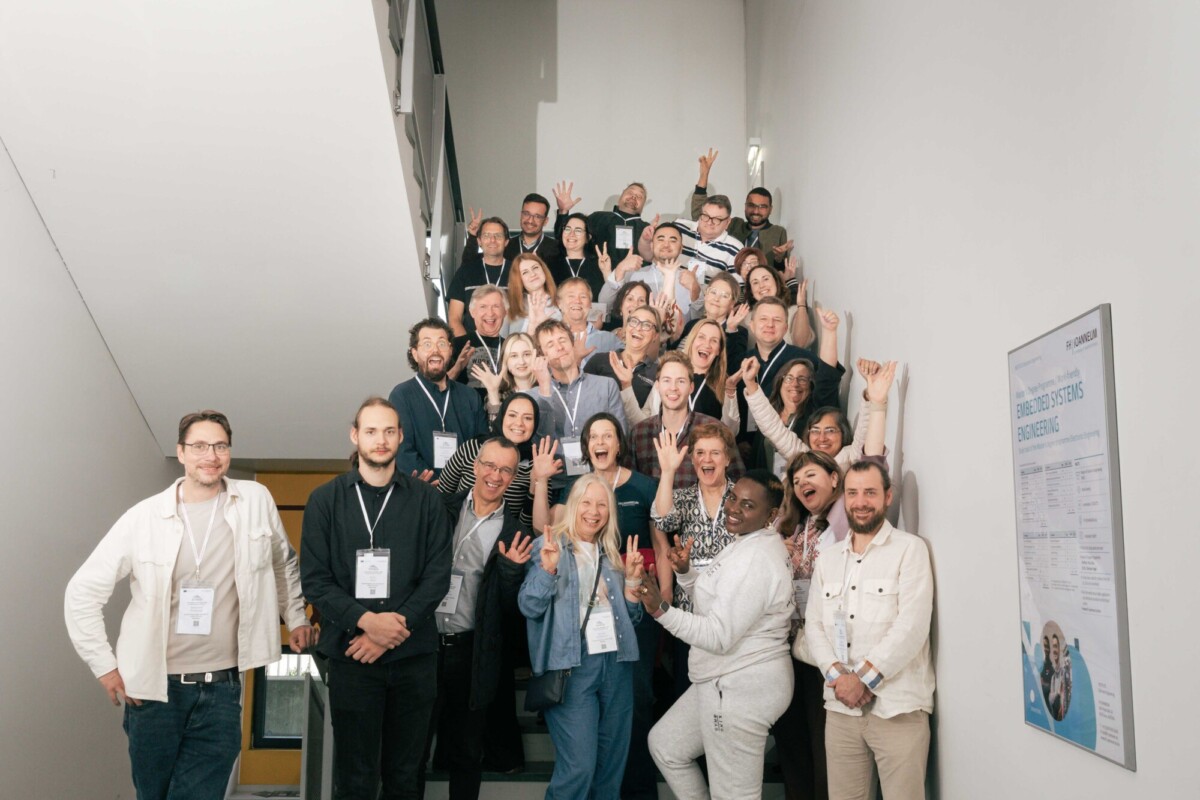
International cooperation plays a vital role in strengthening resilience, security expertise, and innovation across Europe. From 18–22 May 2026, representatives of Savonia University of Applied Sciences participated in the FH JOANNEUM International Staff Week in Graz, Austria. The event, organized under the EU4Dual alliance, brought together more than 30 experts from five continents and 13 countries to explore the interconnected themes of Energy, Security and Society.
Savonia was represented by Pia Viklund, Project Director of the Centre of Excellence for Comprehensive Security, who delivered the opening keynote on the Finnish comprehensive security -model and preparation of the CoE, and Ville Berg, who facilitated a workshop on IT security and the modern cyber threat landscape.
Highlighting the Finnish Comprehensive Security Model
The week opened with a keynote presentation introducing the Finnish comprehensive security model and its relevance in the current European security environment. The presentation generated significant interest among participants and sparked lively discussions drawing on experiences from various countries, including Ukraine and Israel. The session also explored links between the Finnish model and the European Union’s Preparedness Union Strategy, demonstrating how whole-of-society approaches can strengthen resilience in times of uncertainty.
For Savonia, the event provided an important opportunity to increase international awareness of the emerging Centre of Excellence for Comprehensive Security and to promote future cooperation within European resilience and security initiatives.
Cybersecurity as a Shared Challenge
Cybersecurity was a recurring theme throughout the week. Ville Berg’s workshop introduced participants to the current threat landscape while highlighting the critical role of human behaviour in cyber resilience. Topics included password security, phishing awareness, and practical approaches to information security. Rather than remaining a traditional lecture, the workshop quickly evolved into an interactive discussion where participants exchanged experiences from higher education, professional practice, and their own national contexts. This exchange of perspectives demonstrated the universal nature of cybersecurity challenges and the value of international peer learning.
The programme further explored cybersecurity through practical sessions at FH JOANNEUM’s Institute of Software Design and Security, including an engaging workshop titled “How to Hack a Server in Four Commands.” These activities provided participants with hands-on insights into cybersecurity awareness and continuity management.
Understanding Interdependencies in Energy Security
A central message of the Staff Week was that resilience depends on understanding the interconnections between critical sectors. Sessions on energy security examined the risks associated with blackouts and the measures required to strengthen energy system resilience. Participants also visited FH JOANNEUM’s Energy Analytics and Solution Lab, gaining practical insights into how data-driven solutions can support energy security and preparedness.
A visit to the historic Gösser Brewery in Leoben added an industry perspective to the discussions. Beyond the brewery’s production processes, conversations highlighted the importance of self-sufficiency, supply-chain resilience, and business continuity in an increasingly unpredictable operating environment.
Learning from Healthcare Security and Patient Safety
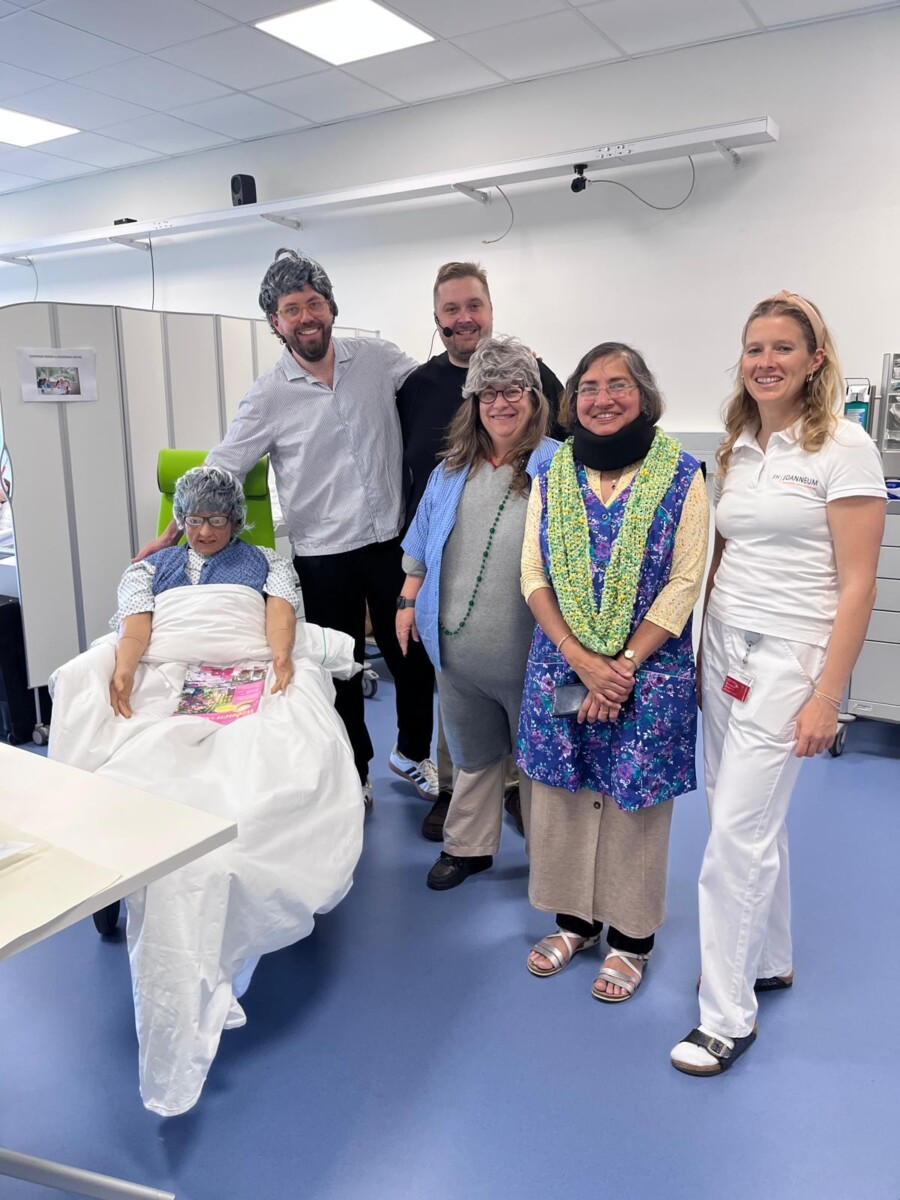
On the healthcare and societal resilience side, participants explored patient safety through high-fidelity simulation exercises organized by FH JOANNEUM’s health care department. These practical learning environments demonstrated how simulation-based education can strengthen preparedness and decision-making in complex situations. Savonia participants had the opportunity to actively take part in these simulation exercises, experiencing firsthand the educational value of realistic training environments.
Another workshop, delivered by colleagues from Portalegre Polytechnic University in Portugal, focused on hand hygiene as a cornerstone of patient safety. Participants were able to practise proper hand disinfection techniques, reinforcing how small everyday actions can have a significant impact on healthcare resilience and safety outcomes.
New Opportunities for EU4Dual Collaboration
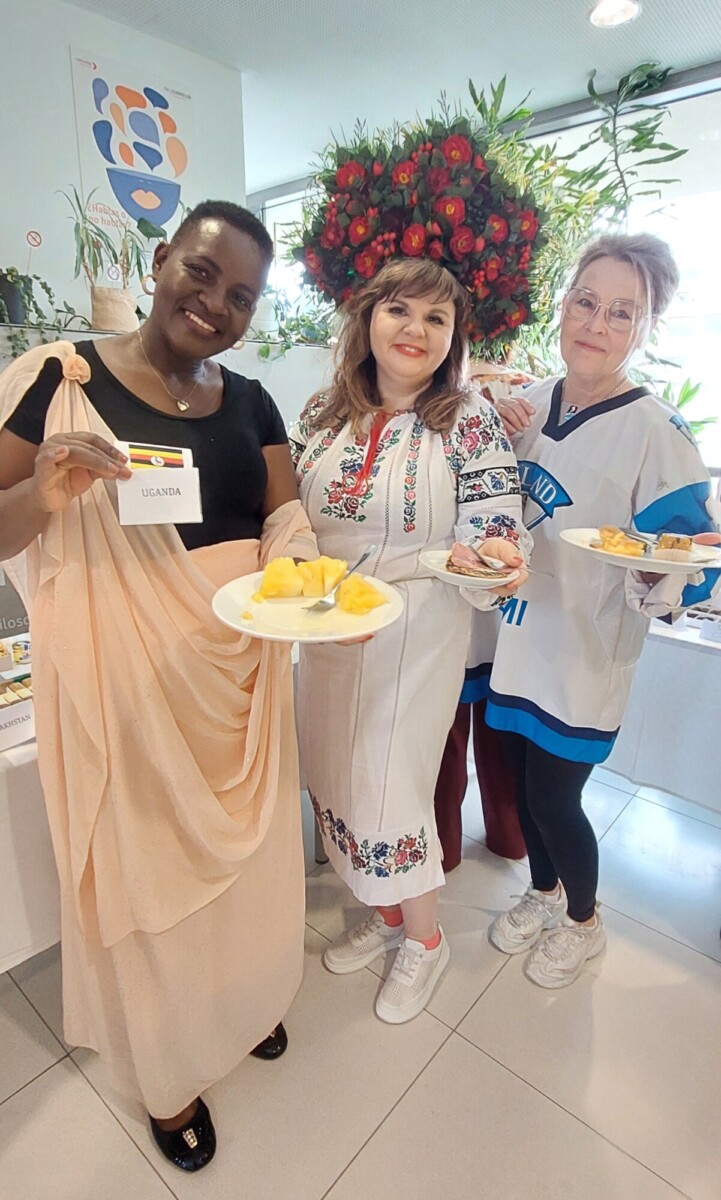
One of the most valuable outcomes of the Staff Week was the strengthening of international networks. Throughout the week, participants exchanged knowledge on national security practices, resilience approaches, and educational innovations. For Savonia, the event created several promising avenues for future collaboration, including discussions with institutions in Ukraine, Uganda, Portugal, Denmark, and Germany. Potential areas of cooperation include benchmarking activities, health and social care development, information security, and broader European resilience initiatives.
The event also reinforced the role of the EU4Dual alliance as a platform for interdisciplinary learning and international engagement. By bringing together experts from security, energy, healthcare, and education, the programme demonstrated how complex societal challenges can be addressed through cooperation across disciplines and borders.
Strengthening Resilience Through Education and Partnership
The FH JOANNEUM Staff Week highlighted how resilience is not the responsibility of any single sector. Instead, it emerges from collaboration between education, industry, healthcare, technology, and society at large. For Savonia, participation strengthened international visibility, expanded professional networks, and provided valuable insights into integrating security, energy, digitalisation, and healthcare themes into education, research, and development activities.
As Europe continues to focus on preparedness and resilience, international initiatives such as EU4Dual offer an important framework for sharing expertise, learning from different national approaches, and creating innovative solutions together. The week in Graz demonstrated that resilience grows strongest when knowledge, experiences, and cultures meet.
Authors
Pia Viklund, Project Director of the Centre of Excellence for Comprehensive Security, Savonia University of Applied Sciences
Ville Berg, Lecturer, Savonia University of Applied Sciences
This article was prepared with the help of AI.