Savonia Article: FROM NETHERLANDS TO SAVO – Rethinking the Future of Dairy Farming
This work is licensed under CC BY-SA 4.0


Exploring how international cooperation and student mobility can support the sustainability of agriculture in changing environments
The ongoing decline in the number of dairy farms and overall milk production has become a growing concern across Europe. This trend not only affects agricultural output but also raises important questions about the long-term sustainability of rural areas and food production systems. For this reason, there is an increasing need for innovative approaches, fresh perspectives, and well-prepared professionals who can actively contribute to the future development of the agricultural sector.
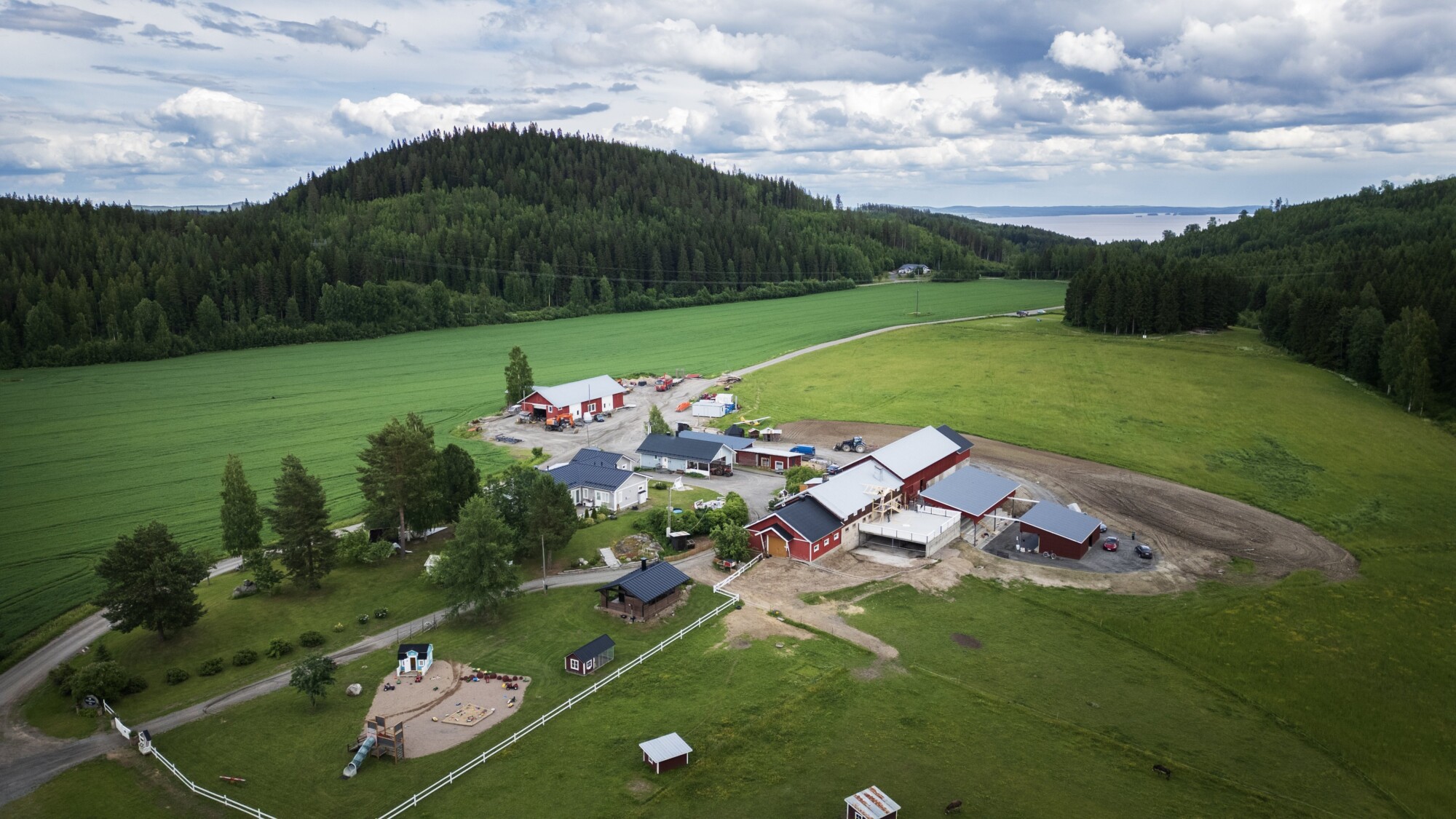
In this context, moving from the intensive agricultural systems of the Netherlands to the northern region of Savo in Finland offers a valuable opportunity to explore contrasting farming realities. A survey conducted among 25 young people with agricultural experience provides important insight into this transition. The findings reveal that, although many students are actively involved in farming particularly in dairy production their knowledge of Finnish agriculture remains relatively limited.
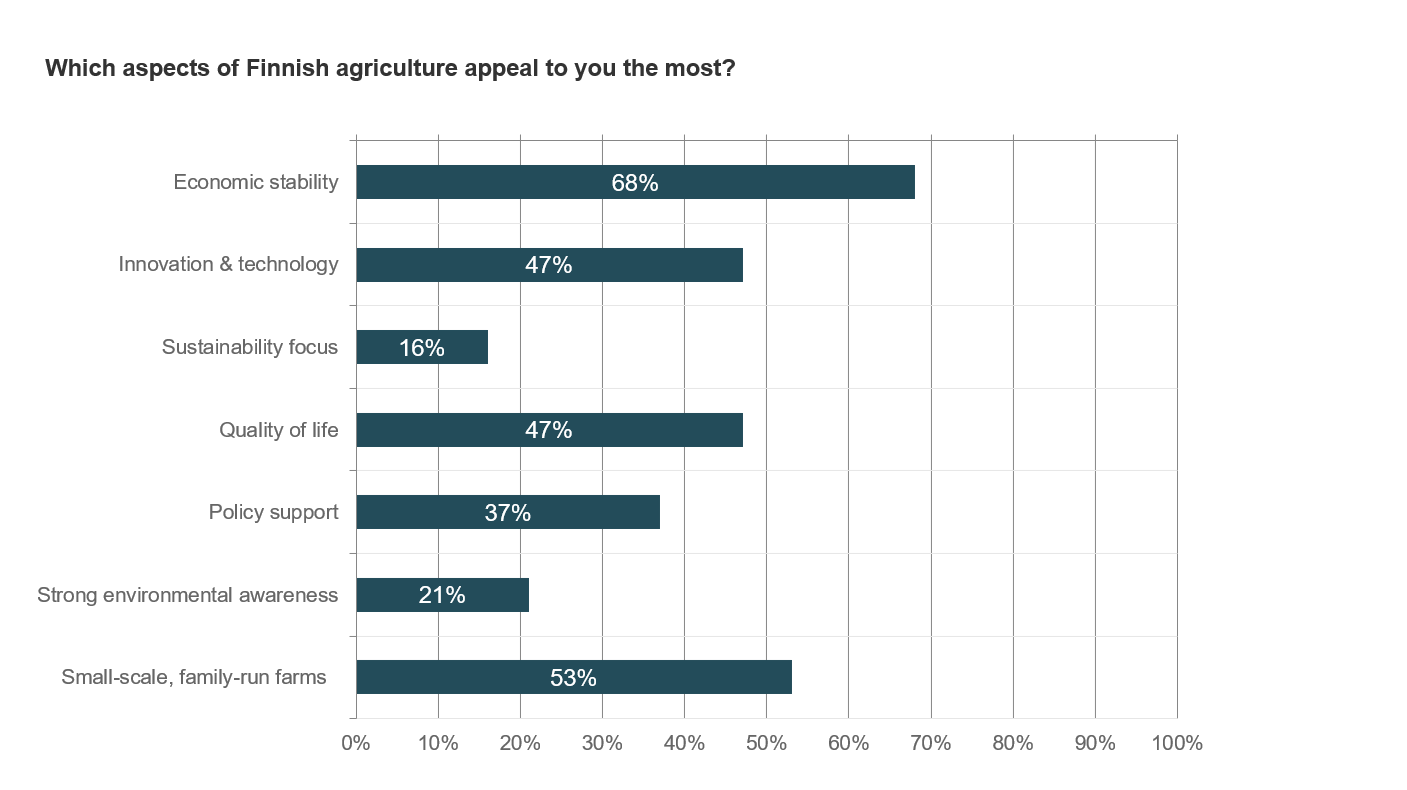
Despite this limited familiarity, there is a clear openness toward new experiences. Many participants expressed curiosity about working in different climates and agricultural systems, which naturally leads to an interest in countries like Finland. Finnish agriculture was perceived as attractive mainly because of its economic stability, high quality of life, and strong tradition of family farming. However, uncertainty still plays a significant role, as most students responded “maybe” when asked whether they would consider working in Finland in the future. This hesitation can be better understood when examining the specific challenges associated with Finnish agriculture.
Challenges and Opportunities in Finnish Agriculture
One of the main concerns highlighted by students is the demanding climate in Finland. Compared to the Netherlands, cold winters, shorter growing seasons, and limited sunlight create more complex and sometimes unpredictable working conditions. As a result, Finnish agriculture is often perceived as less intensive but more dependant on natural and environmental factors. Also decreasing number of new farmers entering the sector, is a challenge for agriculture in whole.
Nevertheless, where challenges exist, opportunities also emerge. As diagram below shows, Dutch students find many aspects in Finnish agriculture very appealing. Also the need for renewal creates space for innovation, new knowledge and the integration of international perspectives. This is where young professionals, students and cross-border cooperation can make a meaningful and lasting impact.
Building the Future Through International Cooperation
Given these challenges, strengthening international cooperation becomes not just relevant, but essential. By connecting students and farmers from the Netherlands with those in North Savo, new opportunities are created through internships, knowledge exchange, and practical on-farm experiences.
Such cooperation acts as a bridge between different agricultural systems, allowing participants to learn from each other, exchange best practices, and adapt to new conditions. According to the European Commission, international collaboration in agriculture plays a key role in addressing global challenges such as climate change and food security, while also promoting innovation and knowledge sharing across borders.
For students, this type of engagement is particularly valuable. It offers not only practical skills but also a deeper understanding of real working environments, helping them make more informed decisions about their future careers. The survey clearly indicates that hands-on experience, accessible information, and supportive systems are exactly what students need in order to take the next step with confidence.
Ultimately, the interest among young people already exists; it simply needs to be guided and supported through the right opportunities and initiatives. By bringing together different perspectives and experiences from regions such as the Netherlands and North Savo, agriculture can become more adaptive, innovative, and resilient.
International cooperation plays a key role in shaping the future of agriculture. It helps students and professionals share knowledge, gain experience, and better understand different farming systems. By working across countries, new ideas and practical solutions can be developed, supporting more sustainable and innovative approaches. Collaboration is not just a choice—it is the driving force of progress.
Authors
MultiPro 2026 –students: Aurora Brahimi, Choolwe Syamuleya, Rrita Syla, Savonia-AMK