Savonia Article: Lessons from Conference Visits: What Did We Learn from Gamification and Games for Health?
This work is licensed under CC BY-SA 4.0


In late March 2026, two interesting conferences were taking place: the GamiFIN conference in Saariselkä, Lapland, focusing on gamification, and the Games for Health Europe conference in Eindhoven, the Netherlands, focusing on games for health. The Savonia team of the InnoGS project decided to make the most of both events and split its three-person team in two directions: one team member headed to Lapland, while the other two travelled to the Netherlands.
But did we learn anything from the conferences?
Ten years of gamification conferences in Finland
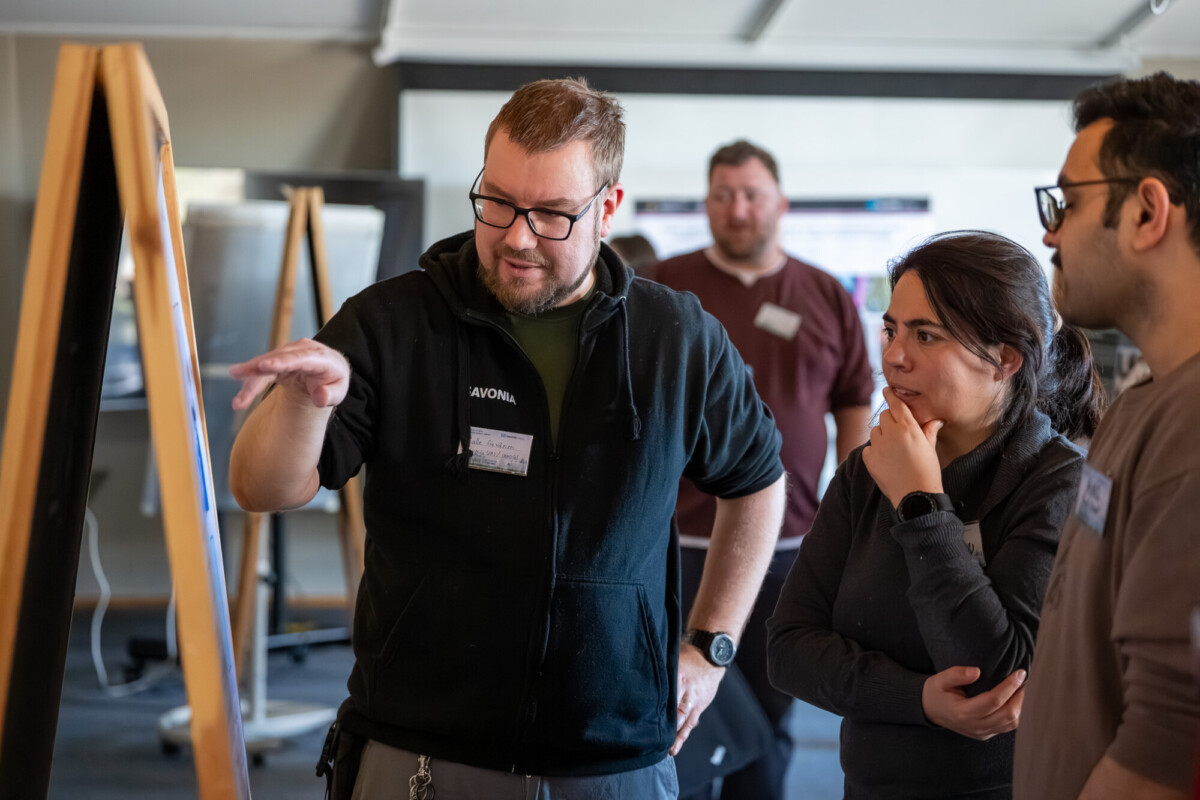
The trip to Lapland took us to the already familiar GamiFIN conference. This year’s visit included something new, as we had the opportunity to present the InnoGS project to the conference audience with a project poster. At the same time, the event celebrated its 10th anniversary. Once again, the conference, which rotates between different ski resorts, brought together around 50 researchers and experts from different backgrounds and from around the world for four shared conference days.
The conference presentations, fireside discussions, poster sessions and workshops strongly highlighted how versatile gamification can be as a tool. Of course, it is not a solution to everything, and the topic also raises critical perspectives. At the same time, its full potential still seems to be only partly recognised. Alongside gamification, the discussions also emphasised other ways of using elements familiar from games and playing, such as game-based learning, as well as the possibilities of artificial intelligence. These themes have become increasingly visible, especially compared to conferences held a few years ago.
In one workshop, concern was raised about how everyday life may become even more difficult in an increasingly digital world, especially for older people. Digital services do not always serve their users as they should if people do not know how, are not able to, or do not want to use them. However, challenges related to digitalisation do not concern only older people, but can affect anyone regardless of age. Could gamification offer support in a digitalising world? Could it also be useful in an analogue form for people with different functional limitations? These are interesting questions with no single straightforward answer.
The InnoGS project poster attracted interested visitors who saw the project concept as important and timely. In particular, the project’s international dimension and its focus on building communities around gamification received positive attention. It was also encouraging to see that the themes of the conference strongly supported the project’s idea that gamification can create concrete benefits and positive impact. The conference organisers also expressed interest in seeing broader results from the InnoGS project presented at next year’s conference. This remains to be seen.
Games for Health Europe – a promised land of gamified solutions
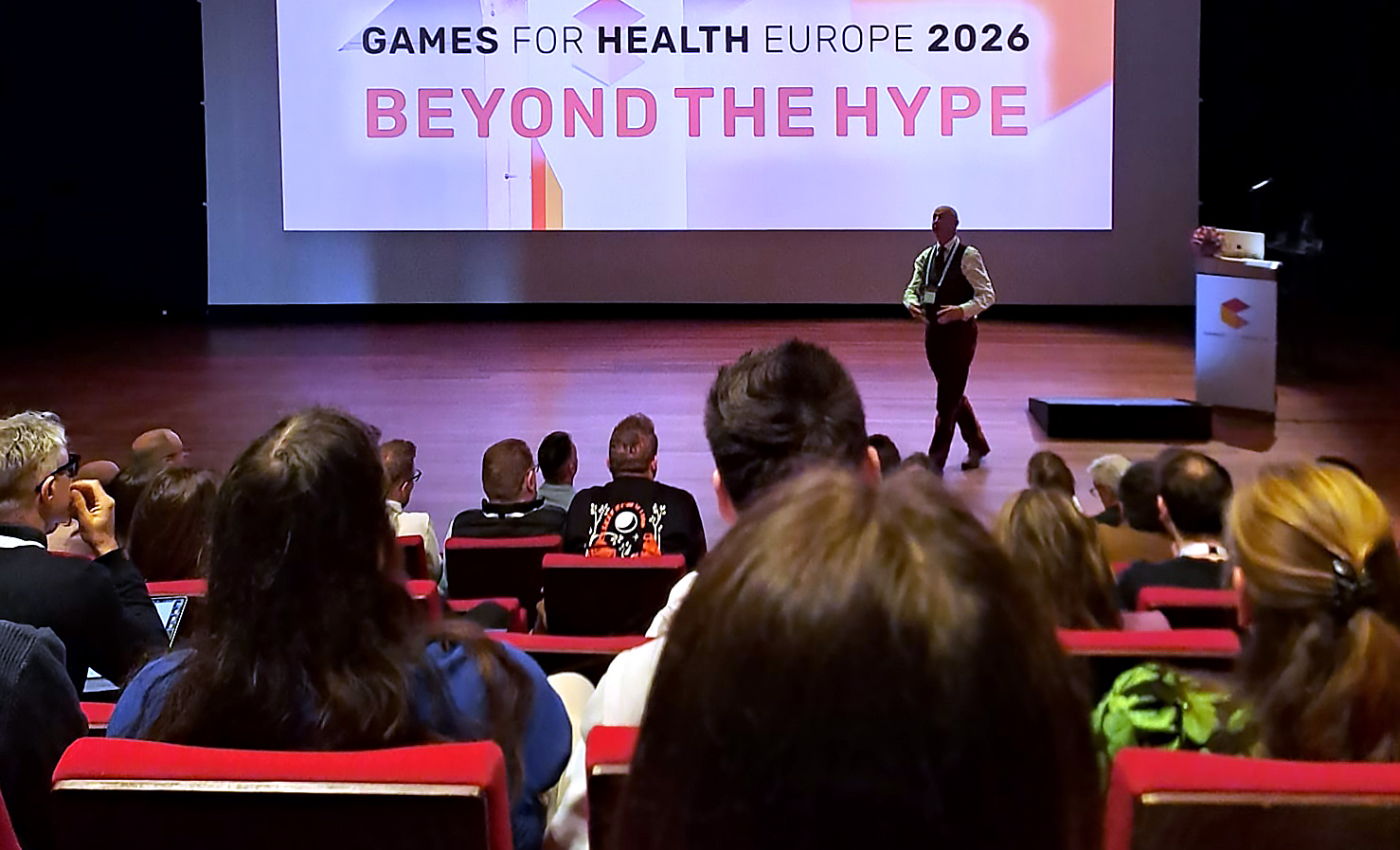
Games for Health Europe 2026, held in Eindhoven, brought together health professionals, researchers, game developers and technology experts from around the world. The conference focused on how games, gamification and new technologies, such as XR solutions and artificial intelligence, can be used to support health, well-being and learning.
This year’s theme was “Beyond the Hype”, which was strongly reflected in the programme. Solutions were not examined merely as technological showpieces, but from the perspectives of practical impact, ethics and real-world implementation. From the perspective of the InnoGS project, gamified methods related to young target groups were especially interesting, including solutions that support mental health, concentration, participation and learning. One example was Full ADHD, a game by the Finnish game company Psyon Games, designed for young people with neuropsychiatric backgrounds.
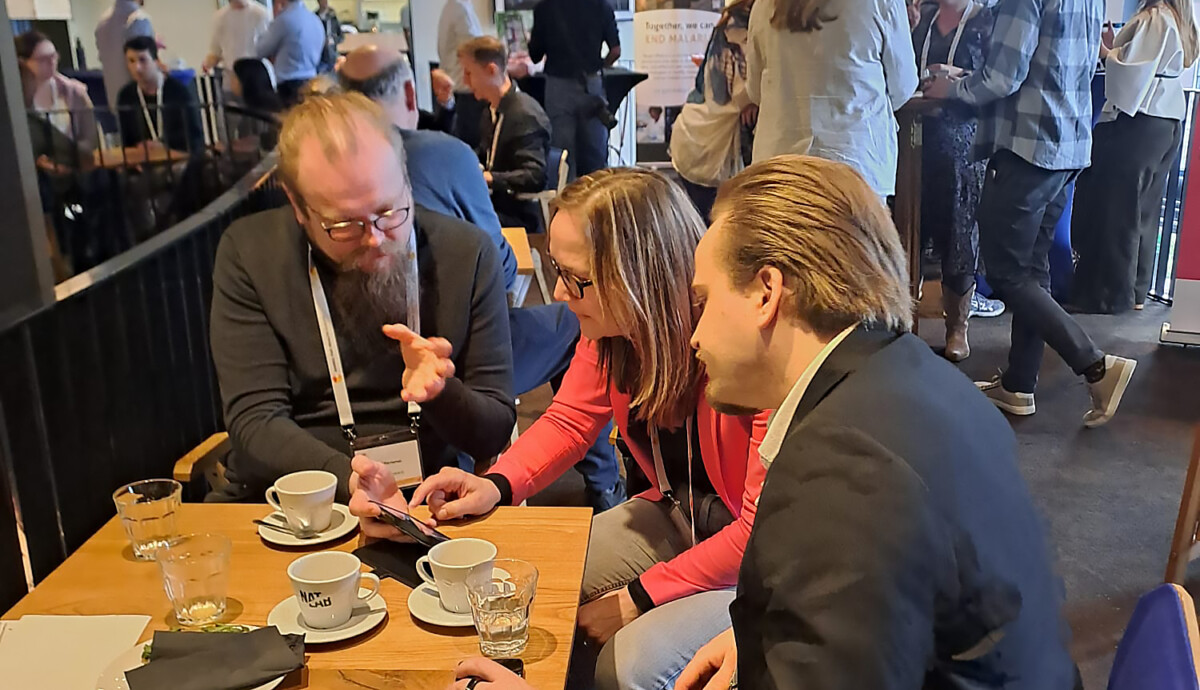
The conference programme was well designed from the participants’ perspective, as it left plenty of time for networking. One of the best parts of the conference was the short corridor discussions, where we had the chance to talk about the InnoGS project pilots and receive tips for future practical implementation.
The conference also highlighted that digital solutions can, at their best, lower the threshold for participation, for example for people who find social situations challenging. Gamified methods, in turn, can make the promotion of well-being more motivating and pleasant for young people. The visit to Games for Health Europe confirmed that the themes of the InnoGS project are closely connected to current European discussions: playfulness and gamification can be used to build communities, increase inclusion and create new ways to reach young people.
What did the conferences leave for the project?
GamiFIN and Games for Health Europe approached games and gamification from different perspectives, but the core message of the events was similar. Gamification is not just about points, rewards or technical solutions, but a versatile tool for many kinds of needs. When implemented well, it can help people, for example, commit to activities, understand complex topics and find new ways to participate in the development of communities.
From the perspective of the InnoGS project, the conferences reinforced three key points in particular. Gamified solutions must be based on the real needs, barriers and motivations of the target groups. Being engaging is not enough on its own; ethical design, practical feasibility and impact assessment are also needed. In addition, games and gamified methods can act as a bridge between people, organisations and experts from different fields.
The conference visits strengthened the Savonia team’s view that InnoGS is working with the right questions: when implemented critically and in a user-oriented way, gamification can build inclusion, increase well-being and support the digital renewal of rural areas.
Read more:
Article has been previously published at Article has been previously published in finnish as Savonia article: “Oppeja konferenssivierailuilta: Mitä jäi käteen pelillistämisestä ja terveyttä edistävistä peleistä?”
Authors
Kalle Sievänen, RDI-specialist, InnoGS -project, Sustainable Societies’ research field, Savonia University of Applied Sciences
Sami Partanen, RDI-specialist, InnoGS -project, Wellbeing research field, Savonia University of Applied Sciences
AI has been used in writing the article