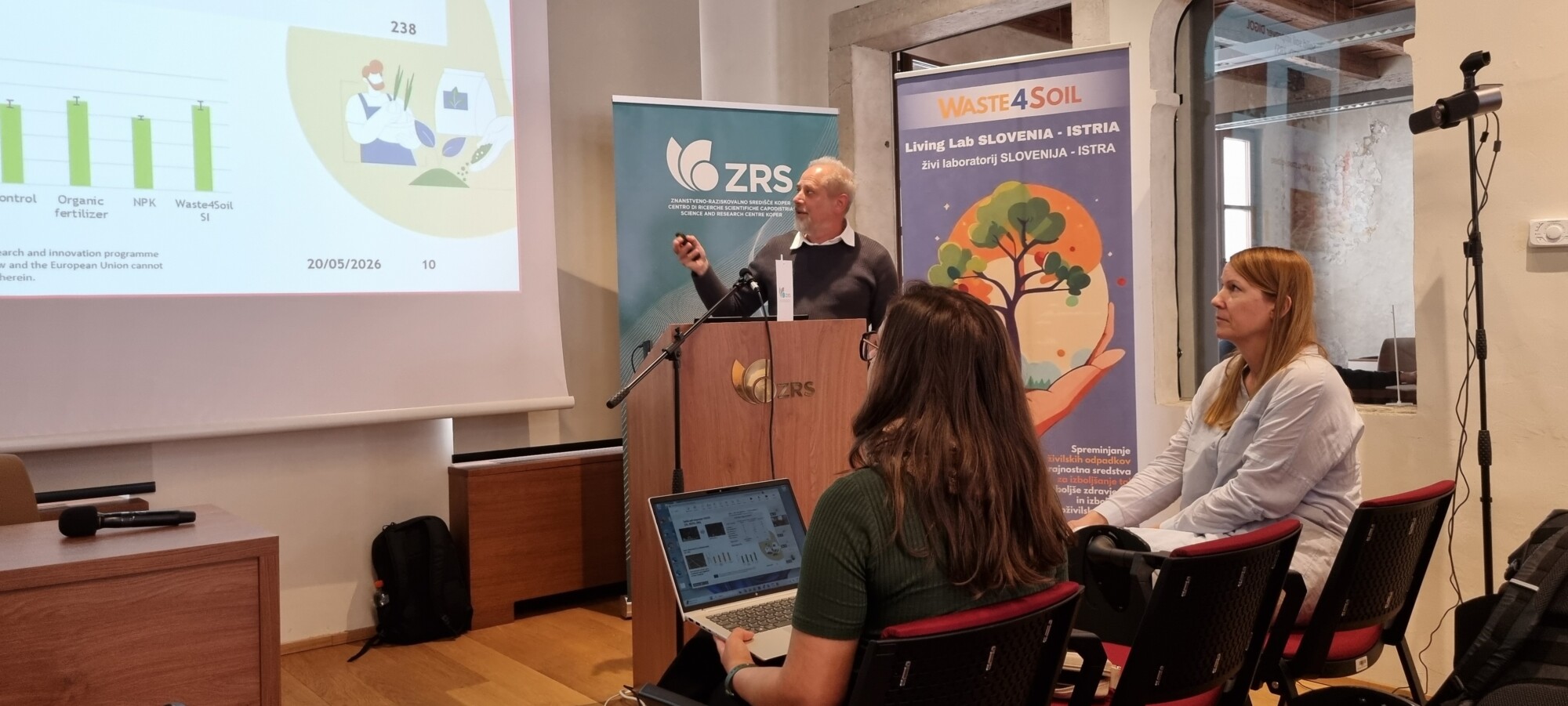
Savonia Article: Savonia participated Waste4Soil Project Meeting in Ljubljana
This work is licensed under CC BY-SA 4.0


Four representatives from Savonia participated in the Waste4Soil project meeting held in Ljubljana, Slovenia. Waste4Soil is a Horizon Europe–funded research and innovation project focusing on developing sustainable solutions for soil improvement by valorising biowaste and side streams. The project promotes circular economy principles by transforming waste materials into valuable soil improvers, thereby enhancing soil fertility while reducing environmental impacts.
Savonia plays a significant role in the project, particularly in the areas of standardisation, business model development, investment planning, and social acceptance. Through its multidisciplinary expertise, Savonia contributes to ensuring that the solutions developed within the project are not only technically feasible but also economically viable and widely accepted by stakeholders.
Workshop Sessions and Collaboration
The first day of the meeting focused on reviewing the progress of the project’s work packages. Each partner presented updates, enabling a shared understanding of achievements and future steps. Tuomo Eskelinen from Savonia highlighted the work on business model development, where the INTO environment has been effectively utilised to evaluate business canvases. In addition, experts from different fields have been involved to refine value propositions and ensure their competitiveness in real-world markets. Ardita Hoxha-Jahja reviewed how clearly the project partners perceive sustainability-related standards and what should be done in order to make the overall picture more clear.
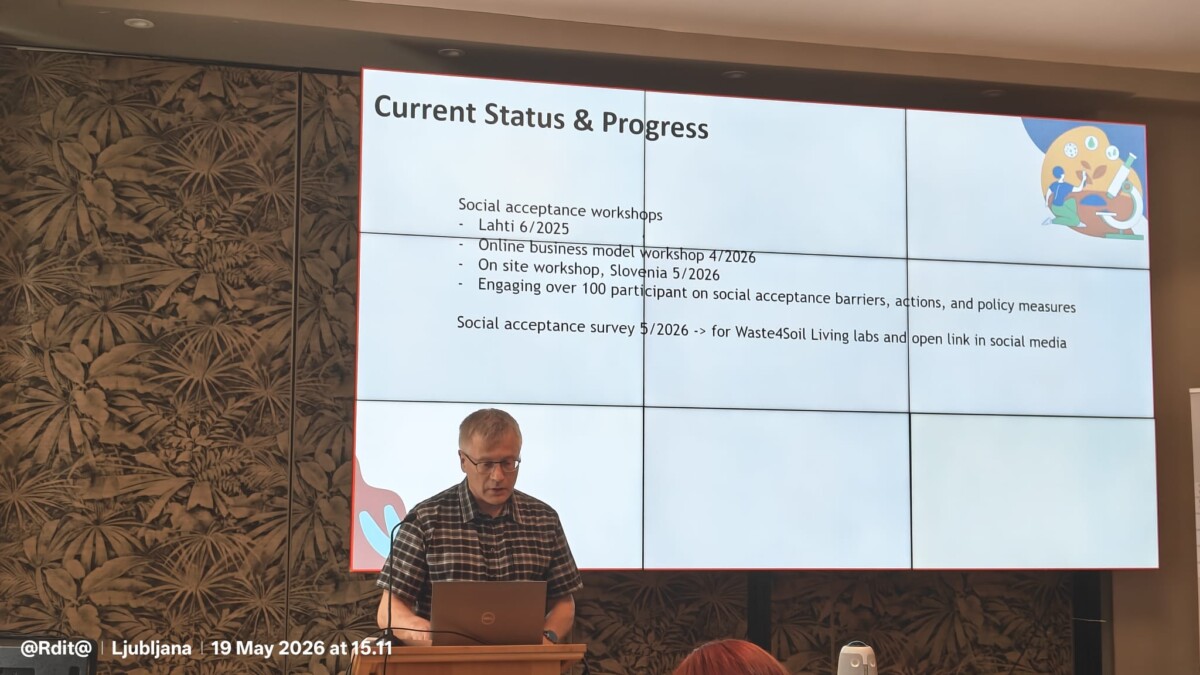
A key message from Savonia’s point of view was the importance of stronger interaction between different work packages. For example, aligning standardisation efforts, social acceptance research, and results from living labs is essential to create coherent and impactful outcomes. This cross-work package dialogue is crucial for ensuring that the developed business models generate real value and are grounded in both technical feasibility and societal needs. Savonia also emphasised that successful innovation in circular bioeconomy solutions requires not only technological development but also integration of regulatory perspectives, stakeholder expectations, and market dynamics. By fostering collaboration across disciplines and work streams, the project can better support the transition from pilot solutions to scalable and market-ready applications.
Site Visits and Social Acceptance Workshop
The second day of the meeting included site visits to the Vino Koper winery and the Port of Koper. During these visits, project partners were introduced to the handling and management of side streams and waste materials in real operational environments. These examples provided valuable insights into how circular economy principles can be applied in practice, particularly in sectors such as agriculture, food production, and logistics.
In addition to the visits, Savonia organised a social acceptance workshop together with KOTO. The workshop focused on understanding stakeholder perceptions and identifying key factors influencing the acceptance of soil improvers derived from sidestreams. The session included presentations on the Waste4Soil context and the Slovenian perspective, followed by collaborative group work conducted via a digital Padlet platform.
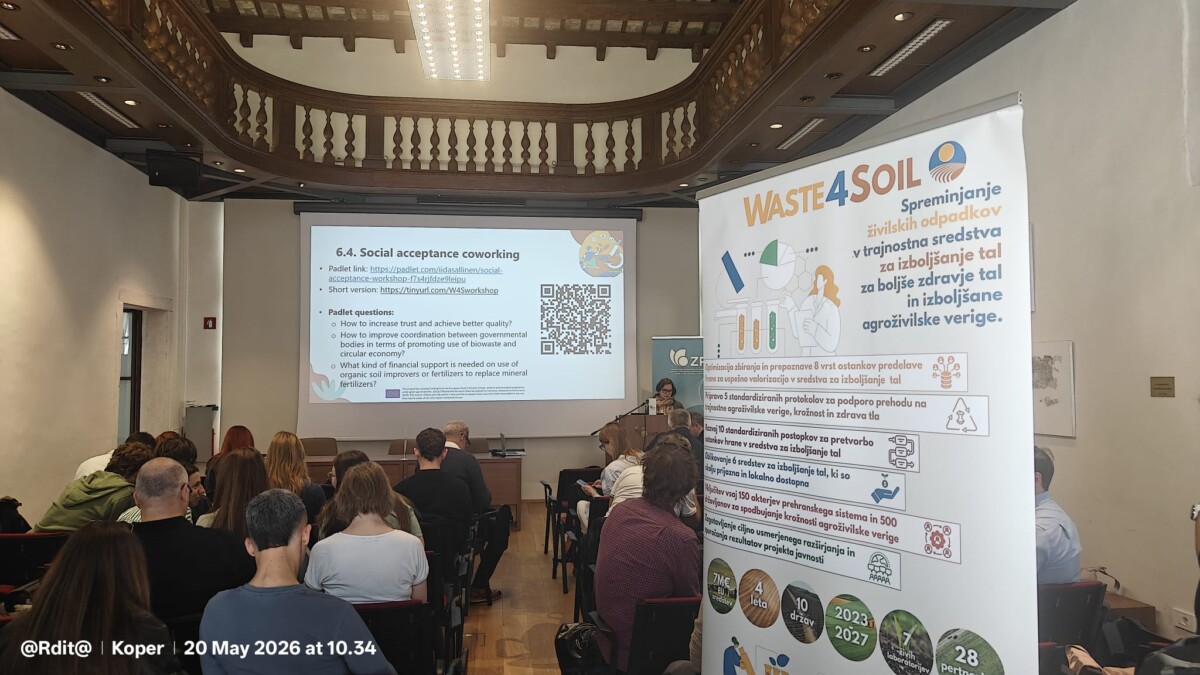
The discussions highlighted that while technological solutions are largely considered viable, social acceptance remains a critical factor for successful implementation. Trust, certification, transparency, and communication were identified as key elements influencing stakeholder adoption. The workshop also explored ways to improve coordination between authorities, increase awareness of circular economy benefits, and identify financial mechanisms to support the uptake of organic soil improvers.
Overall, the Ljubljana meeting strengthened collaboration among partners and provided valuable insights into both technical development and societal aspects of the Waste4Soil project.
Authors
Tuomo Eskelinen, Research Manager, Savonia
Iida Sallinen, RDI Specialist, Savonia
Ardita Hoxha-Jahja, Research Manager, Savonia
Jori Taipale, RDI Specialist, Savonia