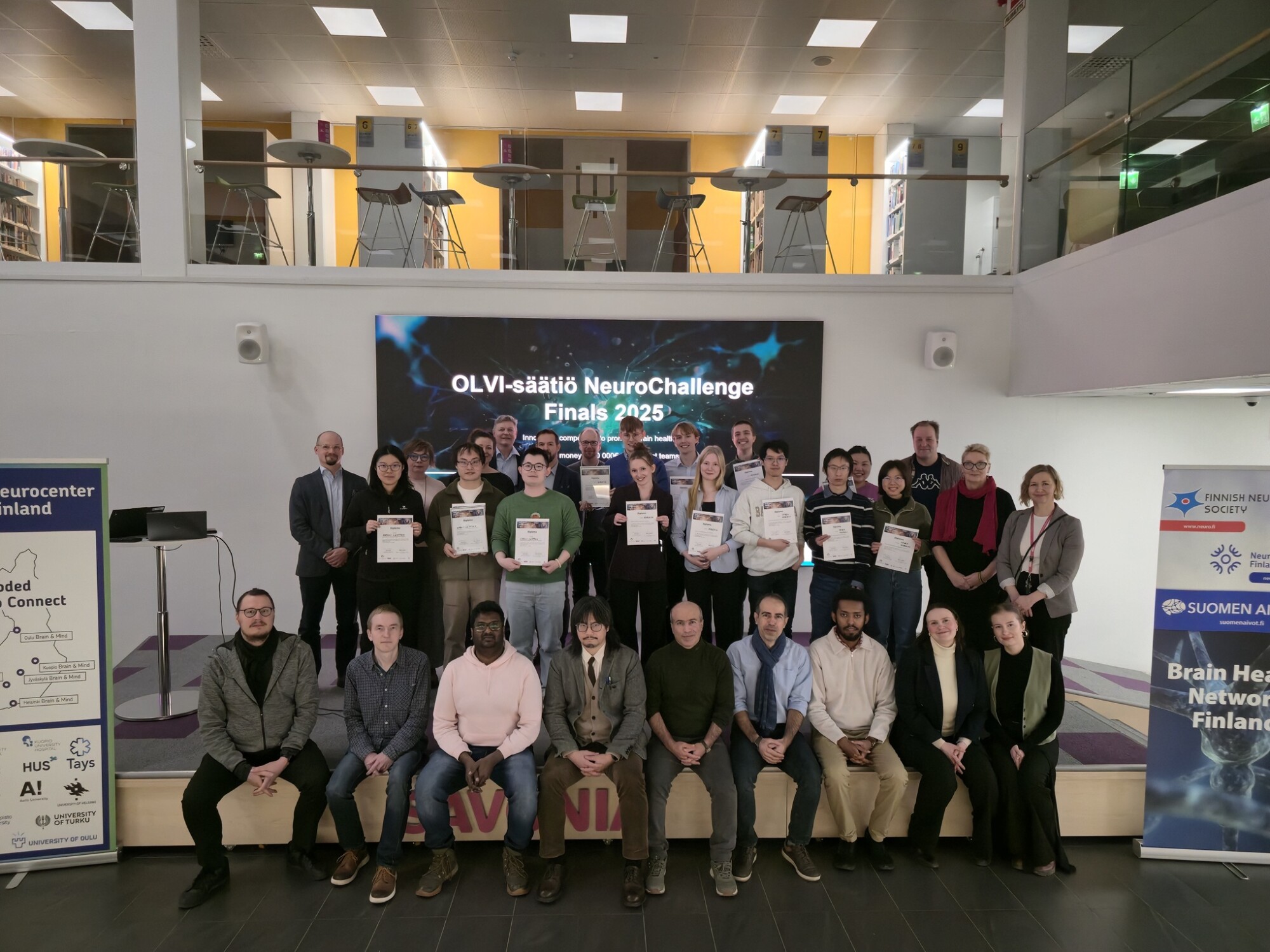
Savonia-artikkeli Pro: Neurochallenge 2025: Seven teams developing new solutions for brain health and mental wellbeing among the working-aged
Savonia-artikkeli Pro on kokoelma monialaisen Savonian asiantuntemusta eri aiheista.
This work is licensed under CC BY-SA 4.0


Brain health and mental wellbeing represent one of the most significant global public health and economic challenges of our time. Neurological disorders are the leading cause of ill health globally (DALYs) and the second leading cause of death, while mental health disorders account for the highest number of years lived with disability.
Combined, neurological, mental and substance-use disorders represent one in every four disability-adjusted life years globally. The prevalence of neurological disorders is expected to grow markedly as Europe’s population ages, with the proportion of people over 65 projected to rise from 21% to 33% by 2100.

The economic impact is equally substantial. Brain-related disorders generate annual costs estimated at €1.7 trillion in Europe, reflecting healthcare expenditure, lost productivity and disability support. At the same time, improving employee brain health could create economic value equivalent to raising global GDP by up to 12%. With the global neuroscience market projected to grow from $612 billion to $721 billion by 2026, brain health has become one of the fastest-growing health and innovation domains.
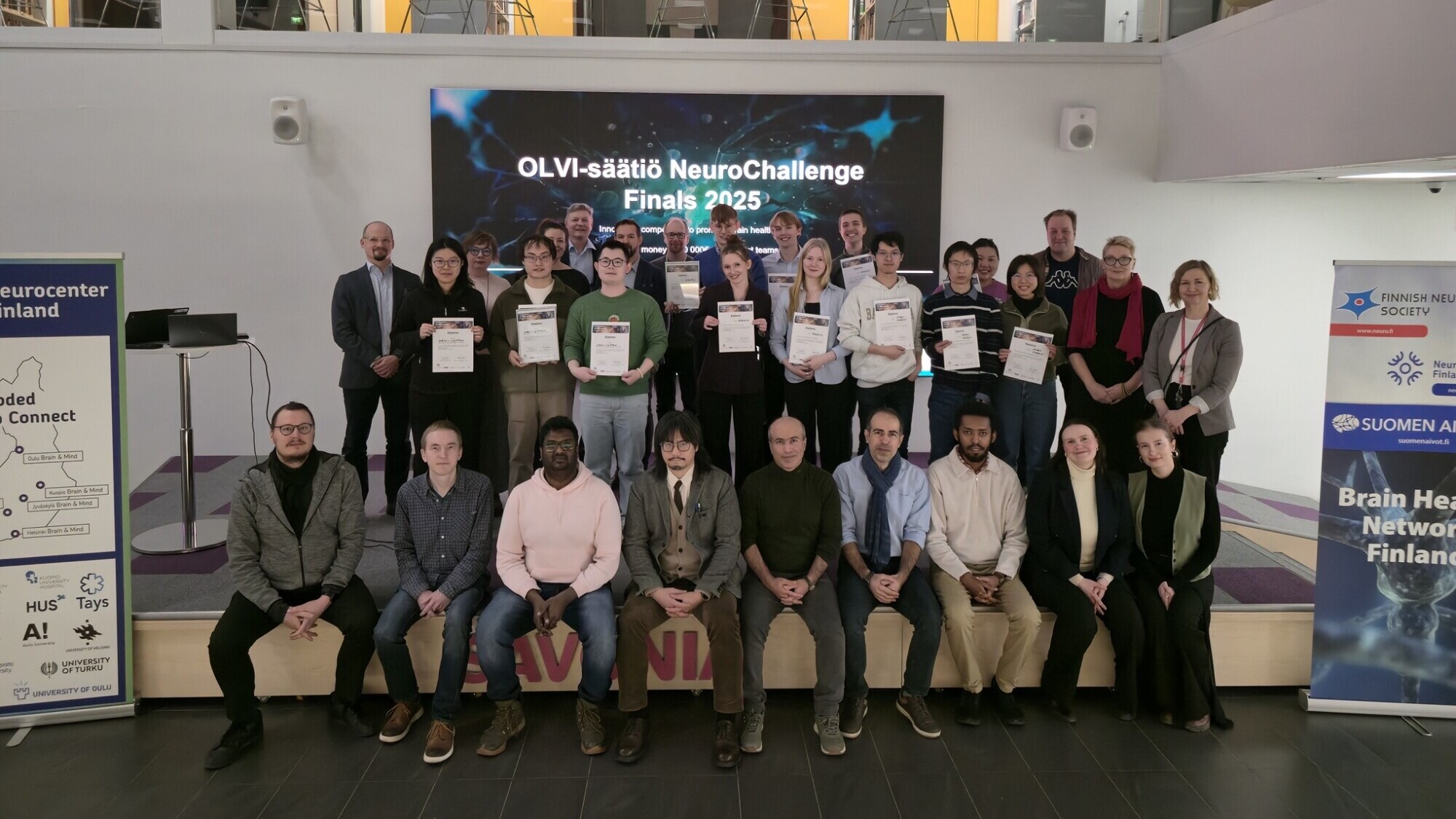
Against this backdrop, Neurochallenge 2025 was organized as a national innovation competition to accelerate new solutions that support brain health and mental wellbeing among working-aged people, with a focus on individuals over the age of 55, a group essential to labour market sustainability and preventive health interventions. The event took place on 14–16 November 2025 at Savonia University of Applied Sciences’ Campus Heart in Kuopio, Finland.
Three intensive days of innovation and co-creation
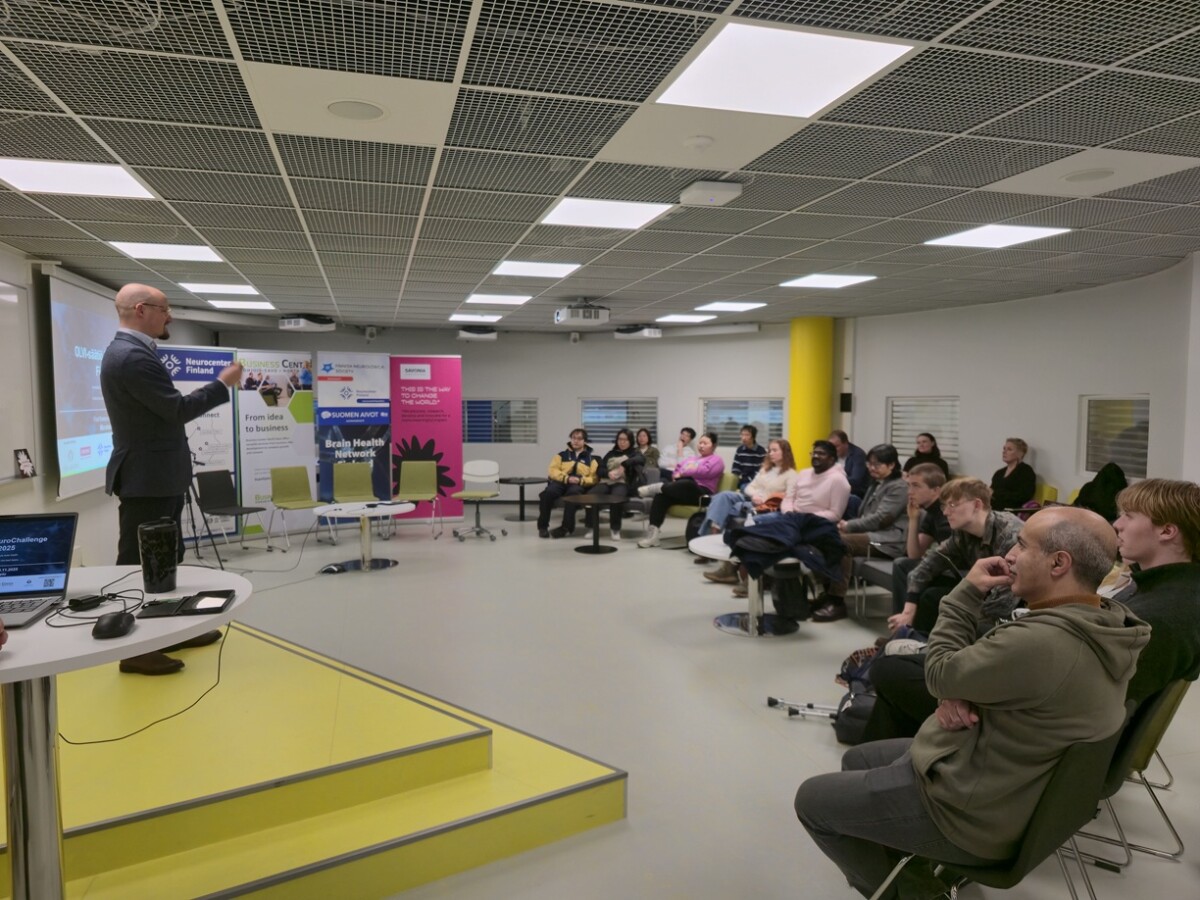
Neurochallenge brought together researchers, students, entrepreneurs and professionals from healthcare, technology, arts and science. During a fast-paced 48-hour innovation sprint, seven multidisciplinary teams worked toward research-based, practical solutions which they refined into a final pitch presented to a jury of experts.
Solutions were evaluated according to four key criteria:
• Novelty – introduction of new value compared to existing solutions
• Feasibility – potential for implementation and scaling
• Impact – measurable benefits to individuals, organizations or society
• Scientific validity – grounding in reliable research and evidence
The process emphasized open data, rapid prototyping and interdisciplinary collaboration, enabling teams to test ideas early through mockups and proof-of-concept demonstrations.
Innovation in practice
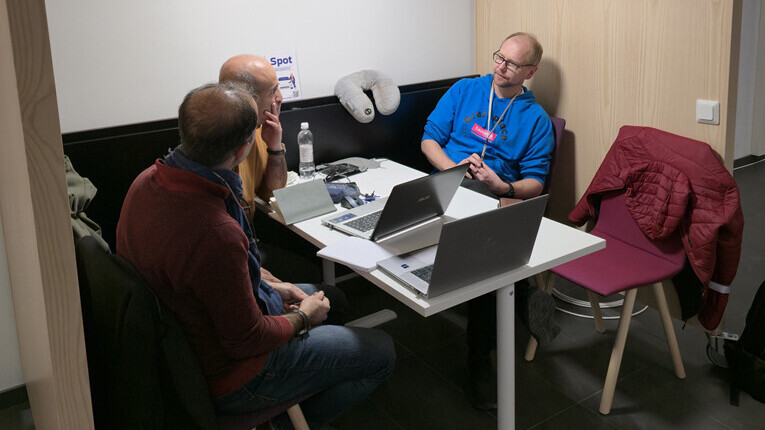
Guided by mentors, the participants progressed through a structured innovation process:
1. Identifying real needs related to brain health and mental wellbeing
2. Understanding affected user groups and root causes
3. Experimenting with cross-boundary ideas and emerging technologies
4. Building early prototypes and conceptual models
5. Preparing a five-minute pitch with iterative refinement
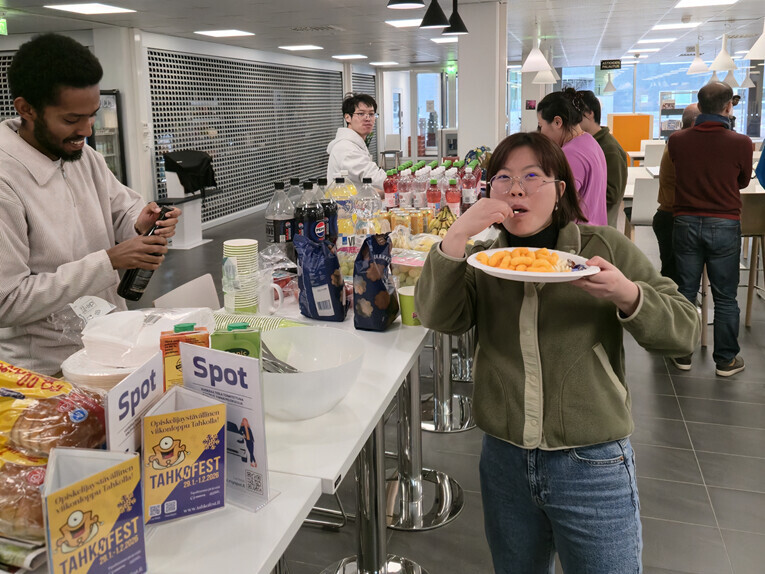
Workshops, expert coaching, and peer learning supported not only solution development but also essential innovation skills such as productization, experimentation and commercialization.
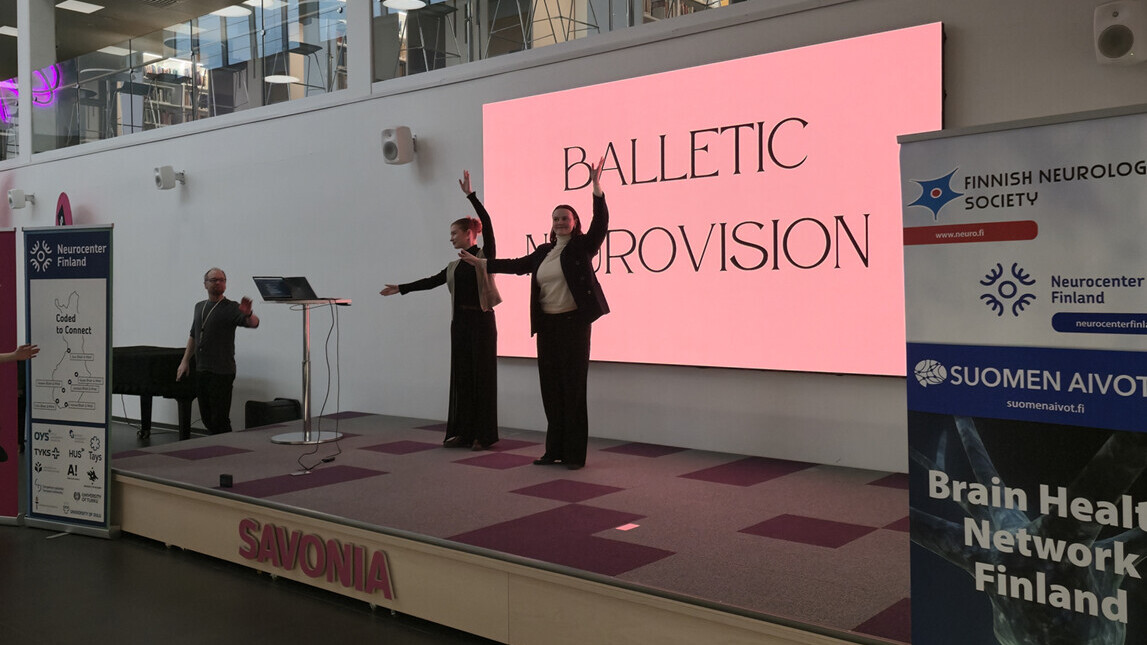
Winners of Neurochallenge 2025
Total prize pool: €20,000
1st prize 15 000 €
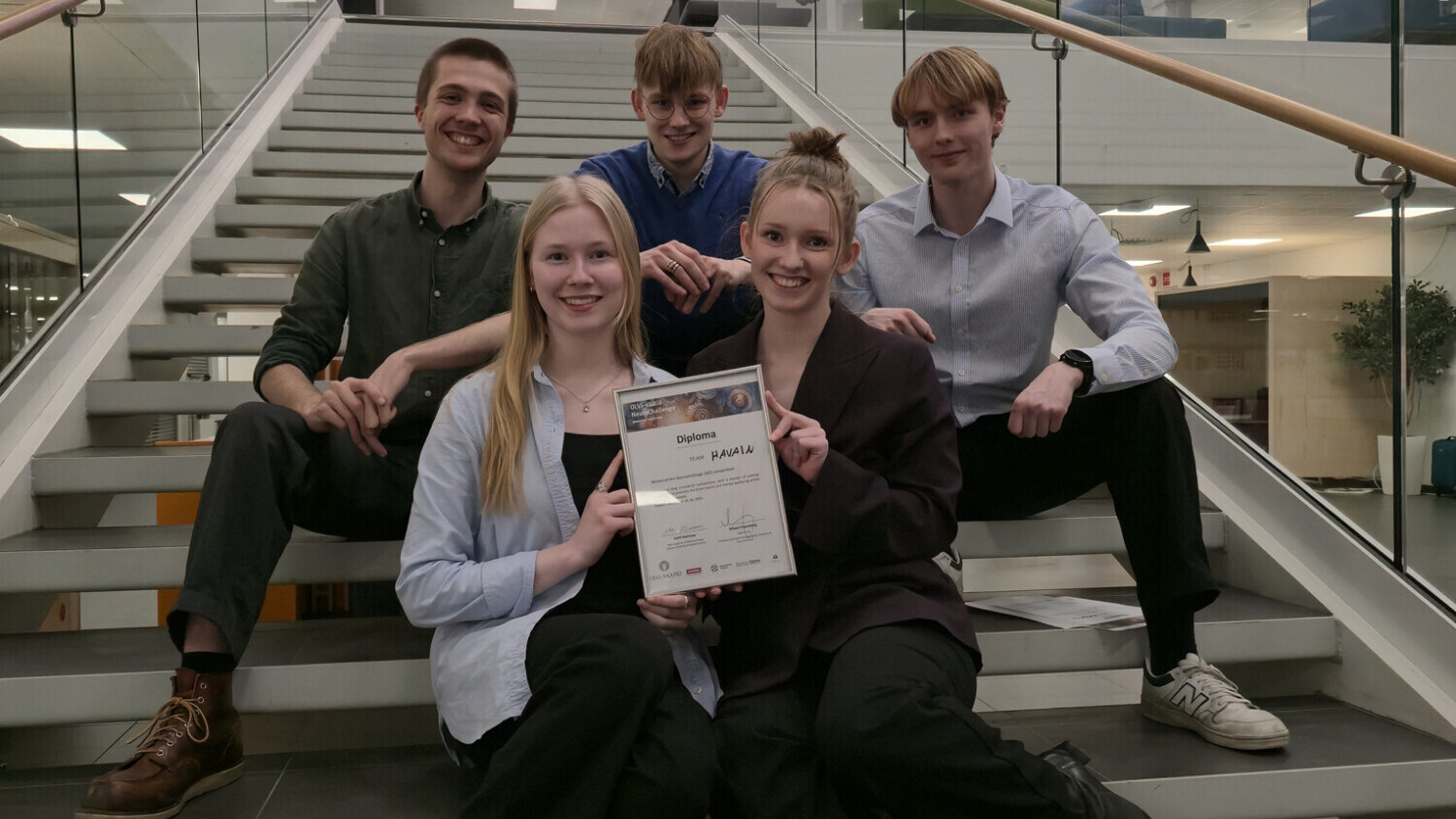
Team: Havain
Team members: Luka Vähäsarja, BPsych (University of Helsinki) & BSc student in mathematics (Aalto University), Vili Vainionpää, BSc student in information networks (Aalto University), Ella Turtiainen, BSc student in physics (Aalto University), Rebekka Ilmivalta, BA student in applied psychology (University of Helsinki), Oscar Escartin, BSc student in mathematics (Aalto University)
Neurochallenge Solution: Havain is a machine learning-based software that learns to associate individual changes in cognitive performance to digital markers, such as mouse micro-movements. Cognitive performance is measured by gold-standard working memory tests in a short onboarding phase, after which the Havain delivers effortless feedback on your vigilance level and helps you detect cognitive deterioration early.
Experience from the Neurochallenge: We entered Neurochallenge with an idea and left with a product and a business model. The weekend mixed business building with constant critical feedback from expert mentors. It was helpful, educational, and fun.
2nd Prize 5000 €
Team: SiriusCeption
Team members: Zuyan Chen, Doctoral Researcher in Robotics, University of Oulu; Kuo Zhan, MSCA Postdoctoral Researcher in Biotechnology, University of Oulu; Zhendai Huang, Doctoral Researcher in Robotics, University of Oulu; Ziwei Yi, Doctoral Researcher in Accounting, Southwestern University of Finance and Economics.
Neurochallenge Solution: SiriusCeption is a non-invasive wearable platform designed for the early detection of movement disorders. By fusing data from an Inertial Measurement Unit (IMU) and mmWave radar, it captures subtle tremors even during natural, everyday movements. This solution enables earlier identification of symptoms associated with neurodegenerative conditions, offering the potential for timely intervention and improved patient outcomes.
Experience from the Neurochallenge: Participating in Neurochallenge has been an inspiring and transformative experience for our team. Throughout the competition, we not only gained fresh perspectives and innovative ideas to refine our solution but also benefited greatly from the guidance of our mentor, whose insights and encouragement helped us sharpen our vision and move forward with confidence. Moreover, Neurochallenge provided us with valuable opportunities to connect with KuopioHealth, establishing a meaningful relationship that will significantly support the future development of our project. This experience has strengthened our belief in the impact our work can bring, and we are truly grateful for the knowledge, mentorship, and network we have gained along the way.
Honorary mention:
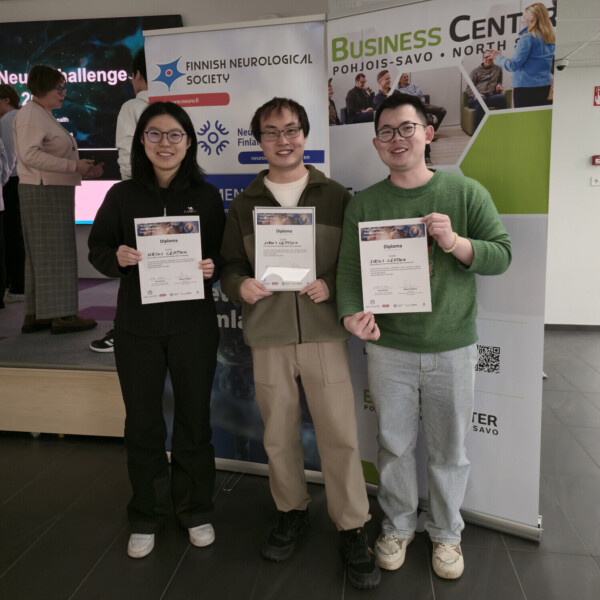
Team: Seven Queens
Team members: Mengru Wang, Xiaoyan Zhou, Leran Lu, and Tianyu Fang. University of Oulu
Neurochallenge Solution: Our solution is ‘Smart Brain Band: Accurate Sleep Aid’. The Smart Brain Band helps people fall asleep more easily, provides sleep monitoring, and offers intelligent wake-up features. It helps people manage their sleep more effectively and enhances sleep quality.
Experience from the Neurochallenge: We had a very intensive weekend in Kuopio. The mentors provided us with numerous valuable suggestions, and we acquired a range of pitching skills. Overall, it was a lovely experience with incredible teammates working together.
Jury 2025
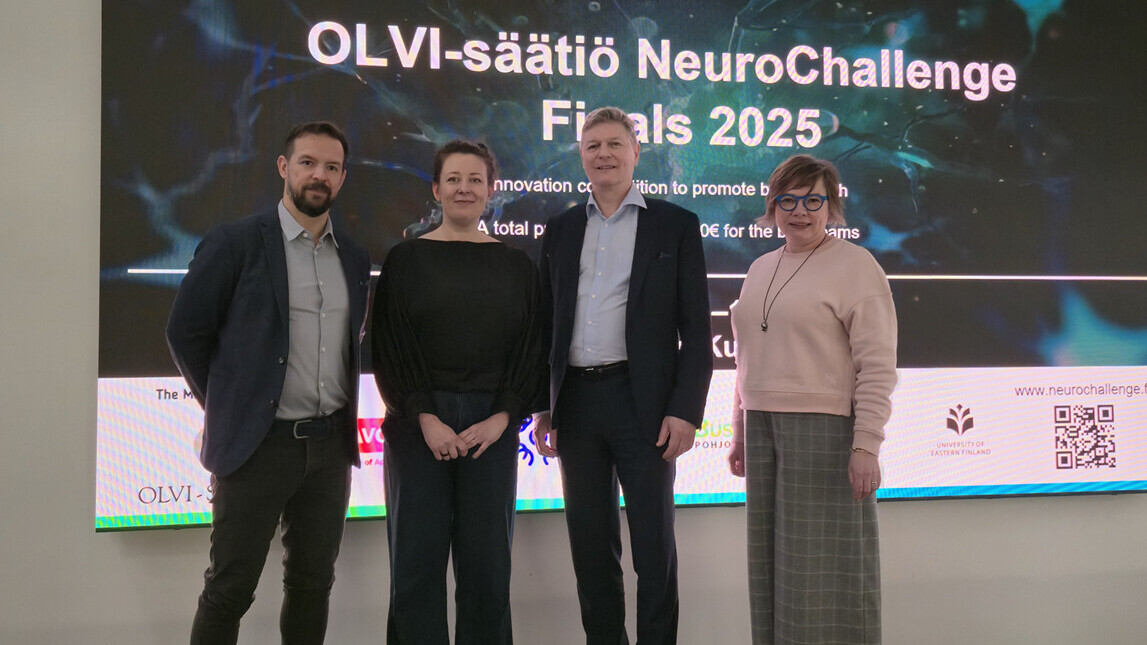
The solutions were evaluated by a jury representing neuroscience, clinical practice, innovation, and entrepreneurship:
• Mikael von und zu Fraunberg, Professor and Chief of Neurosurgery, University of Oulu and Pohde
• Anu Meerwaldt, Development Manager, SPARK Finland
• Mikko Hallanoro, Business Director, Marginum Oy
• Minna Aronen, Board member of Olvi Foundation
Collaboration and impact
Neurochallenge is organized in collaboration with the Olvi Foundation (main sponsor), Neurocenter Finland, Savonia University of Applied Sciences, Business Center North Savo and the University of Eastern Finland. These partnerships reflect strong regional and national commitment to strengthening Finland’s role as an internationally competitive environment for neuroscience-driven innovation.
In addition to the regional partners, Neurochallenge is connected to the broader Finnish Brain & Mind research ecosystem through Neurocenter Finland and its six regional Brain & Mind network that integrate leading neuroscience expertise across Finland, supporting multidisciplinary research and translation of science into practical solutions. The initiative contributes to strengthening the Finnish Brain & Mind ecosystem and opens pathways for expanded national and international research collaboration. The regional network includes Kuopio Brain & Mind, Helsinki Brain & Mind, Oulu Brain & Mind, Turku Brain & Mind, Jyväskylä Brain & Mind, and Tampere Brain & Mind.
Through these collaborations, Neurochallenge contributes to building a more cohesive and impactful national innovation environment for brain health, from early-stage ideas to applied research and future commercialization pathways.
Conclusion and reflection
Neurochallenge 2025 highlights the importance of addressing brain health as a critical societal and economic priority. The competition demonstrated how multidisciplinary teams can rapidly generate scientifically grounded solutions when supported by structured innovation methods, expert mentoring and a collaborative ecosystem.
For Savonia University of Applied Sciences and its partners, Neurochallenge has proven to be an effective model for bridging research, education and entrepreneurship. The event strengthened connections across Finland’s brain health ecosystem and contributed to the development of early prototypes with potential for national and international follow-up.
As teams continue advancing their concepts beyond the weekend, Neurochallenge reinforces Finland’s potential to grow as an expertise-based environment for research-driven brain health innovation, an area of growing importance for society, the labour market and the wider economy.
Authors and organizers:
Matti Laitinen, Savonia University of Applied Sciences, Business Center North-Savo, matti.laitinen@savonia.fi, +358 44 785 6333
Antti Kotimaa, Savonia University of Applied Sciences, antti.kotimaa@savonia.fi, +358 44 785 6449
Eero Rissanen, Director, Neurocenter Finland, eero.rissanen@uef.fi, +358 50 433 5008
References:
GBD 2021 Nervous System Disorders Collaborators. (2024). Global, regional, and national burden of neurological disorders. Lancet Neurology, 23, 344–381.
World Health Organization. (2022). Optimizing brain health across the life course. https://www.who.int/publications/i/item/9789240054561
World Health Organization. (2022). World mental health report. https://www.who.int/teams/mental-health-and-substance-use/world-mental-health-report
Eurostat. (2023). EUROPOP population projections database. https://ec.europa.eu/eurostat/web/population-demography/population-projections/database
European Academy of Neurology. (2022). Brain Health Strategy. https://www.ean.org/ean/advocacy/brain-health/brain-health-strategy
Boon et al. Eur J Neurol. 2025;32(1):e16589. https://doi.org/10.1111/ene.16589.
Brain Capital Initiative. (2023). Brain capital platform. https://braincapital-platform.net
McKinsey & Company. (2023). Working nine to thrive: Improving employee mental health and productivity. https://www.mckinsey.com/mhi/our-insights/working-nine-to-thrive
Deloitte. (2024). Global neuroscience market investment report. https://www2.deloitte.com/us/en/insights/industry/health-care/global-neuroscience-market-investment-report.html
Neurochallenge 2025 Guidelines. (2025). Internal competition material. https://www.neurochallenge.fi
International Organization for Standardization. (2019). ISO 56002: Innovation management—Innovation management system—Guidance. Geneva, Switzerland: ISO.